A new study has been published in the Journal of Clinical Medicine, exploring the benefits of genetic testing for IVF-created embryos in women over 35.

Conducted by a research team from King’s College London, King’s College Hospital and King’s Fertility, this was the first study of its kind to look specifically at women aged 35 plus, and found that genetic screening of embryos could help women aged 35-42 successfully conceive in a shorter timeframe.

Although the sample size was too small to be considered statistically significant, the positive difference in cumulative live birth rate in those women who underwent genetic screening was large enough (72% compared to 52% in the control group) that the researchers believe the study merits a larger, multi-centre trial.

This could be exciting news for the IVF community, but genetic screening is not suitable for everyone, so here at Aria we’ve put together a list of FAQs to help you decide if it’s right for you.

What is genetic screening?

Genetic screening is a process that allows embryologists to check embryos that have been created through IVF for genetic and/or chromosomal abnormalities.

There are three different types of embryo screening:

PGT-A (aneuploidy testing)

This is the most common form of embryo screening and is looking for a genetic disorder called Aneuploidy. This is a condition that results in cells with either too many or too few chromosomes, potentially leading to life-limiting conditions such as Edward Syndrome or Patau Syndrome, and increasing the risk of miscarriage. During PGT-A screening, any embryos with more or less than the standard 46 chromosomes are not considered for transfer to the uterus.

PGT-M (monogenic testing)

Monogenic means single gene, so this test is looking for disorders associated with a single gene. PGT-M looks for specific genes carried by one or both parents, that might indicate genetic disorders like sickle cell anaemia or cystic fibrosis. Only embryos that are free of this specific gene would be transferred.

PGT-SR (structural rearrangements)

PGT-SR is looking for structural issues in the chromosomes, like segments that have been inverted, duplicated or are missing. Ensuring only embryos without these structural issues are implanted in the womb reduces the risk of failed implantation, miscarriage, birth defects or developmental issues.

How is genetic screening carried out?

The process is similar for all types of embryo screening:

  1. First, the embryos are created through IVF
  2. When the embryos reach five to six days old, a few cells are taken from the outer layer of each embryo
  3. The embryo is then frozen for the four to six weeks it takes for genetic testing to take place
  4. The cells that have been removed from the embryos are taken for genetic analysis
  5. Embryos that have been identified as healthy, without any genetic abnormalities, are then transferred to the uterus
  6. The usual IVF process continues

Who is suitable for genetic screening in IVF?

This process is not suitable for everyone. If you are younger than 35 and have no known risk factors, this could be an unnecessary additional step in the process. However, genetic screening can potentially help you achieve a viable pregnancy faster if:

  • You are over 35 – the older you are, the higher the risk of chromosomal abnormalities
  • You have a history of repeated miscarriage – some genetic disorders can increase the risk of miscarriage
  • You or your partner has a family history of genetic disorders
  • You are experiencing unexplained infertility or have undergone several failed IVF cycles

If you would like to know more about genetic screening in IVF and find out whether it might be helpful for you, one of our team will be happy to talk you through the process. Please contact us to make an appointment.

At Aria, we believe that research isn’t just data — it’s hope in the shape of numbers. It’s a quiet revolution happening behind microscopes and within conversations between scientists asking What if?

As we celebrate Research Appreciation Day, this year we reflect on the journey of discovery that has brought us closer to understanding the very building blocks of life. But we are also looking forward. From the heart of our lab to the global stage at ESHRE 2025 in Paris, our team continues to challenge dogmas, embrace innovation, and push the boundaries of fertility science.

A conversation with Dr Xavier Vinals Gonzalez, Laboratory Manager at Aria Fertility:

Q: Xavier, you’ve just returned from ESHRE 2025 in Paris. What stood out to you most?

This year’s ESHRE was a glimpse of what’s to come in ART. The conversations weren’t just about data — they were about redefining the future of fertility care. We talked about AI in the lab, ethical dilemmas, reproductive autonomy, and how to reduce time to pregnancy without compromising safety. We explore those first steps we have taken as a community and challenges in the new area we have entered.

Q: Aria has been working on a unique research project with UCL presented at the conference. Can you tell us more?

Absolutely. Our latest study, ‘Oocyte SOS: Can NMN Save the Egg?’, looks into how NAD+ metabolism affects egg quality. Together with Dr Seshadri, we looked at NMN, a well-known anti-ageing supplement, and its potential to restore mitochondrial function and reduce oxidative stress in eggs. What’s exciting is that we didn’t stop at animal models—we analysed human data to see how these mechanisms translate.

Q: Why is this important for fertility patients?

Egg quality is one of the starting points in fertility journeys. It’s the foundation of successful fertilisation and embryo development. What we’ve found is that even within the same cycle, egg quality can vary dramatically. By understanding and potentially improving this variability—especially in older patients—we’re opening doors to better outcomes.

Q: What makes this research unique to Aria?

This is the first study of its kind to combine a systematic review of NMN in animal models with human transcriptomic analysis. It’s a collaboration between Aria and the Institute for Women’s Health at UCL, and it reflects our commitment to translational research.

Q: What’s next for the Aria lab?

We’re continuing to explore AI integration, non-invasive embryo assessment, and IVM (in vitro maturation) strategies. But more than that, we’re building a lab culture that values curiosity, compassion, and collaboration. Research isn’t just about answers — it’s about asking better questions. What truly sets Aria apart is how we ensure robustness and ethical integrity in everything we do.

Q: How do you balance innovation with patient safety and autonomy?

Innovation in fertility science is moving fast. We approach every new technology or research direction with a simple question: Does this serve the patient’s best interest, and can it be delivered safely, ethically, and transparently? We have established a dedicated Institutional Review Board (IRB) — a diverse and independent panel composed of scientists, professors, laypeople, genetic counsellors, and individuals from religious backgrounds.

This ensures that every research project is not only scientifically sound but also ethically grounded and socially responsible. We also prioritise informed consent and patient autonomy. That means giving patients clear, honest information about what a new technique involves, what we know, what we don’t know yet, and what it might mean for their journey.

To find out more about the Aria lab and our commitment to fertility science, please contact us.

Embryologists perform an essential role throughout the patient pathway at an IVF clinic. As well as their lab work, they also regularly interact with patients. In part two of ‘Ask an Embryologist’, Senior Clinical Embryologist Kim Hill answers your most frequently asked questions, including how often you will hear from your embryologist.

“We speak to patients in general every other day, typically after the fertilisation check, then on day three and day five. Obviously, some people prefer not to hear from us during that time and just want to know the final outcome, which is fine. Some people want to speak to us every day. It depends on how the patient feels and what support they need.”

What is the difference between a day three embryo and a blastocyst?

At day 3, it should have about six to eight cells. When it becomes a blastocyst, it makes different cell types and expands. You can usually start to see a small cavity forming by the end of day four, and by day five, you would hope to see a nicely expanded blastocyst with clear cells inside. It usually reaches that stage on day five or day six, but it can even be from day 7.

Why do so many embryos stop growing after day 3 and not make it to day 5?

Most fertilised embryos reach the day 3 stage, as the egg drives development until that point. The drop-off from day 3 to day 5 is when the egg and sperm fuse, creating a new genome. This process requires a lot of energy.

If it reaches the blastocyst stage, we know it’s overcome a major hurdle in the embryo’s growth.

Only about 40 to 50% of embryos make it from fertilisation to day 5 stage, so it is essential to prepare patients for this.

Is there anything that could address this in the future?

Unfortunately, IVF is a numbers game, which is why the patients go through the stimulation process because we want to start with as high a number as possible.

Techniques will hopefully be developed in the future to address that drop-off. Artificial Oocyte Activation (AOA) with Calcium Ionophore is currently being investigated, although more research is required to determine its benefits for patients.

When my embryologist talks about normal fertilisation the day after my retrieval, what does that mean?

A newly fertilised embryo will have one small circle for the egg and one small circle for the sperm. That is what we call a Pronuclear (2PN) embryo. Sometimes, you can get a 1 PN or 3 PN embryo, and this usually indicates that something isn’t right. For example, three circles could indicate that two sperm fertilised the egg at the same time during IVF, which means there is too much genetic material in there, and it’s likely that that embryo will be abnormal.

What is assisted hatching?

Assisted hatching is a technique that we use to help the embryo hatch out of its hard outer shell. When the embryo is small, it has a thick layer of protein around it and when it’s ready to implant, it normally hatches out of this shell.

A small incision is made using a laser. Sometimes, we may do this if the embryo can’t hatch naturally, but often, we do it if we need to do a biopsy. At that point, the embryo is hundreds of cells, and this helps us get a couple of cells from the outer layer with the least manipulation as possible.

What is PGT-A?

PGT-A is pre-implantation genetic testing for aneuploidy, and more and more patients are opting for it compared to three to five years ago. It checks the number of chromosomes inside the embryo.

The Aria consultant will discuss this with them initially but often they are receiving a lot of information at this stage, so we will also discuss this with them during the decision-making process.

Can my embryo be damaged during the PGT biopsy process?

Anything that requires embryo manipulation is risky, but I would say the risk here is very low, under 5%. The process requires us to remove three to five cells from the embryo, but at this point, it has hundreds of cells, and we know it can regenerate those cells quickly as long as the quality is sufficient.

It requires quite a bit of training on our part because you are taking cells from the outside, which are the placenta cells, rather than the inner cell mass.

How is sperm quality assessed?

Sperm quality is taking a front seat compared to ten or fifteen years ago. There has been a decrease in sperm count worldwide, and there has been much research into the role of lifestyle factors, such as our sedentary lifestyle, diet, stress, and pollution.

We assess the sperm under a microscope, looking at the number of cells we can see, how they move, and how they look. We use certain criteria to determine whether we can proceed with IVF confidently, knowing that there’s a good chance of fertilisation.

If it doesn’t quite meet those criteria, we recommend ICSI, which bypasses the swimming process.

How much does sperm DNA fragmentation affect the quality of embryos?

Sperm DNA fragmentation is linked with poor embryo development and quality and is being taken more seriously now. We can perform a test to determine the damage or ‘fragmentation’ of the strands of DNA held inside the sperm head. This can be genetic but can also be caused by several factors, including lifestyle choices, environmental factors, and health issues.

More questions? Call +44 (0) 203 263 6025 or email us at admin@ariafertility.co.uk to arrange a consultation at Aria Fertility.

The role of an embryologist is central to the success of an IVF cycle, requiring an exceptionally high level of skill and focus to nurture life at its earliest stages. However, embryologists don’t only work in the laboratory; they also regularly communicate with patients, helping them understand the lab side of their treatment.

Kim Hill, Senior Clinical Embryologist at Aria Fertility, answers the questions they get asked most frequently: “We try to guide the patients through the decisions they will have to make, help them understand what to expect in terms of outcomes, and manage their expectations.

My embryo was abnormal; why did you freeze it?

Even embryos that look good in the lab and have good grading may have defects not visible to the naked eye.

If an embryo undergoes PGT-A testing, we must freeze it while we wait for the results. When the embryo is grown to the blastocyst stage, we do the biopsy procedure, where we remove a few cells, but then we must freeze the embryo while we wait for those test results, which can sometimes take about two weeks to come back.

Another reason would be that the patient wishes to test embryos further. So, if the embryo was frozen and they wish to do genetic testing at a later stage, then we would thaw the embryo, biopsy it, and then refreeze it. Unfortunately, it could then come back as abnormal.

How long do frozen embryos last?

From a biological standpoint, embryos preserved through modern vitrification techniques can be maintained indefinitely, provided they remain frozen. We know that quality doesn’t decrease, and survival rates are good.

Legally, the current rule is that gametes or embryos can be stored for up to 55 years, but you will need to renew your consent every ten years. Some patients choose not to consent for the full ten years, so we must go through the renewal process with them and discuss their options at an earlier stage.

What is the likelihood of embryos not surviving the thaw?

Unfortunately, it does happen, although not very often. Our in-house survival rates are about 98% and so we are confident in our freeze and thaw protocols. Thorough training is involved to reach competency and this is important to maintain that high rate.

The embryo grade is a description of how robust it is to survive the freeze and thaw processes.. If an embryo is only borderline quality, we must discuss it with the patient(s) so they understand it might only have lower survival rate. It’s about clear communication and an empathetic approach with the patient.

We have a cut-off criterion for embryos, and we are as transparent as possible. Our role is to ensure patients have all the information they need to make this decision. Every patient’s journey is different, so it is never a one-size-fits-all situation.

Are frozen transfers more successful than fresh ones?

Our rates are pretty similar between fresh and frozen transfers. A fresh transfer means they collect the eggs, quickly followed by the implantation, which is a lot for the body to go through. Whereas a frozen transfer means you can let your body recover after the stimulation cycle.

Is the size of the follicles linked to egg/embryo quality?

It’s difficult to predict which eggs will come from which follicles. In general, you are more likely to expect more mature eggs from bigger follicles, but sometimes they can be empty, and sometimes we get mature eggs from smaller follicles as well. Our doctors always aim to get as many eggs as possible.

How do you grade embryos?

We get a lot of questions about this because we give our patients a report which outlines the quality of the embryos. Aria employs the Gardner Grading Scale, the most common and universally used blastocyst grading system.

It has three parts: the expansion of the embryo, the Trophectoderm (TE) layer quality, and the inner cell mass (ICM) quality.

This means that at your blastocyst-stage, depending on how expanded the embryo is, you can usually see the two cell types. The trophectoderm is the outer cells, which become the placenta, and then you have the inner cells, or the baby-making cells.

The Gardner Blastocyst Grading System:

Number (1 to 6)- Blastocyst development stage – expansion and hatching status.
First letter (A to C)- Inner cell mass (ICM) quality.
Second number (A to C)- Trophectoderm (TE) quality.

Aside from grading, how do you choose which embryo to transfer?

If a patient has multiple embryos of similar quality and hasn’t been tested for genetic status, we use a few scoring systems.

AI algorithms are built into our embryoscope, our time-lapse incubator. We use the KIDScore™, which tells us the embryo’s potential for implantation based on a large amount of data from multiple clinics. We also have something called the iDAScore, which predicts the chance of achieving a clinical pregnancy based on the detection of a foetal heartbeat.

We also use the ERICA (Embryo Ranking Intelligent Classification Assistant), an AI system that ranks embryos based on their chance of being euploid or genetically normal.

Our success rates are based on the clinical data we’ve collected over the years, and these multiple systems are tools for applying this data quickly to help with embryo selection.

If we’re doing a fresh transfer, you have to make the decision relatively quickly (day 5 of embryo development). If it’s a frozen transfer, you have from the point they start taking their luteal support medication, so we have a couple of days to decide. We usually have a team discussion, and we also like to consider the patient’s choice.

More questions? Call +44 (0) 203 263 6025 or email us at admin@ariafertility.co.uk to arrange a consultation at Aria Fertility.

2025 marks the 10th anniversary of the International Day of Women and Girls in Science, which focuses on closing the gender gap in science. To celebrate this important day, we interviewed Aria Embryology Practitioner Ghazal Khalili about what drew her to a career in reproductive science and her journey so far.

Why were you drawn to a career in embryology?

I originally wanted to pursue a career in paediatrics because I am interested in caring for and helping children. However, after observing doctors in a hospital setting, I realised that the emotional demands of that role were not the right fit for me.

My desire to work in the medical field, particularly with children, remained strong, so I shifted my focus to embryology and IVF. During my undergraduate studies, I had the opportunity to shadow professionals in a fertility clinic for the first time. The moment I stepped into the IVF lab and explored its various facets, I knew I had found my true calling.

What education did you pursue to become an embryologist?

I earned a first-class Biomedical Science degree from the University of Warwick, during which I undertook a placement year as a trainee Andrologist at the University Hospitals Coventry.

Following this placement, between my second and third years of study, I completed an eight-week summer research project at the Sheffield University Hospitals under the guidance of Professor Allan Pacey. This project focused on investigating the advantages of microfluidic devices compared to traditional sperm preparation methods in IVF settings. This happened during the COVID pandemic, which made training even more difficult.

These experiences significantly enhanced my scientific knowledge and research skills in the field of reproductive science.

What stage are you at in your career?

I am in my second year of the Scientific Training Programme (STP) in embryology, where I am gaining academic knowledge and practical experience. I work as a trainee embryologist, and as part of the programme, I travel to Manchester University for exams and academic training.

Additionally, I receive hands-on practical experience at Aria under the supervision of Dr Xavier Gonzalez, where I apply what I’ve learned in a real-world setting. This combination of training and studying simultaneously provides me with a well-rounded experience as I continue developing my clinical embryology skills.

What training do you do at Aria to optimise the skills necessary for specific procedures?

I am supported by a comprehensive training plan and a dedicated training officer throughout my learning process. Some key areas of my training include:

  • Oocyte retrieval
  • Assessment of oocyte maturation
  • Sperm processing for fertility treatments (IUI, IVF, ICSI)
  • Sperm analysis and cryopreservation
  • Embryo grading and assisted hatching (using the embryoscope)
  • Preparation of culture dishes and tubes for treatment days
  • Communicating embryo development updates to patients
  • Handling of liquid nitrogen
  • And more…

Who do you work with in the lab?

In the lab, I work with senior embryologists and embryologists.

What is a typical workday for you?

A typical day for me could begin with oocyte retrieval in the morning, followed by assisting my colleagues with various tasks, such as calling patients and providing updates. I may focus on andrology in the afternoon or prepare for the next day’s procedures.

When I’m involved in set-up, my responsibilities include printing patient notes, verifying all HFEA mandatory consents and blood work to ensure accuracy, and reaching out to patients to explain the upcoming steps from the lab’s perspective. I also encourage them to ask any questions they may have. Finally, I prepare culture dishes and embryoscope slides before the next day’s treatment procedures.

How often do embryologists interact with fertility patients? Do you enjoy the balance of lab work and patient contact?

Embryologists interact with patients regularly, primarily over the phone, to provide updates on their embryos/gametes. However, some patients prefer minimal contact until the final stages of their treatment, which we respect and document accordingly.

For patients undergoing egg retrieval and IVF cycles, there are occasions when they wish to discuss questions regarding their eggs or sperm samples, at which point we engage in face-to-face conversations at the recovery area in our clinic.

Personally, I find in-person interactions more fulfilling than phone conversations, as they allow for better communication through body language and expressions. This is especially helpful when delivering difficult news, as it’s easier to gauge how the patient reacts and provide support accordingly.

Overall, I genuinely enjoy the balance between lab work and patient contact – it creates a stronger connection and allows me to be more involved in the patients’ fertility journeys.

Is there an area of fertility that you’d like to specialise in?

I hope to be a fully-trained clinical embryologist by the end of my STP programme.

What new or future developments in IVF are you most excited by?

I’m particularly excited about the advancements in stem cell-based embryo models. Studying embryo models could provide insights into the development of genetic diseases and potential therapeutic targets. Using stem cells to develop embryo models could offer groundbreaking opportunities for understanding and improving fertility treatments. It’s exciting to think about how these developments could shape the future of reproductive medicine.

Have you ever wondered how technology is transforming the world of IVF? At Aria, we combine human expertise with the power of artificial intelligence (AI) to help create families.

Embryologists are the unsung heroes of the IVF process, but their human ‘AI’ does not develop overnight. Their keen eyes and skilled hands result from years of experience, which allow them to make judgments based on a multitude of knowledge points derived from their extensive training and practice.

The role of AI in IVF: enhancing decision-making

In our lab, AI is not just a tool but a trusted partner. AI is used to analyse imaging data – pictures and videos of the precious cells that we hope will become a success story one day. This data is processed to generate scores that help us assess quality.

When evaluating AI algorithms, and there are lots of them nowadays, we ask critical questions: How large and diverse was the dataset used? What type of microscopes or images were involved? Was the data static or dynamic, 2D or 3D? What is the accuracy of the predictions? Are they developed to predict pregnancy chances, live birth rates, or genetic makeup?

These questions ensure that the AI tools we integrate are reliable. Ultimately, the embryologist makes the final decision, guided by both the AI’s recommendations and their expertise.

Aria’s own studies

AI’s role in the fertility lab has been much in the media spotlight. UK researchers recently published a study in Nature Communications that explored which follicle sizes were associated with improved rates of retrieving mature eggs, resulting in babies being born.

The scientists at Imperial College London used ‘Explainable AI’ techniques – a type of AI that allows humans to understand how it works – to analyse retrospective data on more than 19,000 patients who had completed IVF treatment.

One of the challenges with AI is the ‘black box’ nature of many algorithms. This means that while AI can provide scores and recommendations, the reasoning behind these decisions is not always clear.

At Aria, as scientists, we are committed to understanding AI processes. For instance, we used an AI tool to assess single-sperm motility variables related to ICSI practices but went a step further and looked for biological reasons (in this case, sperm maturation properties) to support the ranking we were given.

We tested AI systems designed to predict the genetic makeup of embryos and their chances of implantation. How? Because we use time-lapse technology, we collect thousands of images, providing a comprehensive view of development. The AI can then analyse these images in a single second, identifying patterns and making predictions that would be impossible for a human to do in such a short time. But are these, on their own, better? The jury’s still out.

“Something key is to understand why an embryo is deemed good by AI,” says Aria’s Senior Clinical Embryologist and Laboratory Manager Dr Xavier. “This knowledge will help us refine our processes and make IVF more efficient.”

While AI offers tremendous benefits, it also raises ethical and practical considerations. We ensure that the AI tools we use are reliable, maintaining a balance between human expertise and technological support. This approach guarantees that our patients receive the best possible care.

Founding director of Aria Mr Stuart Lavery concurs. A well-respected member of the global human fertility community with over 20 years’ experience providing fertility care and support, he believes, “AI represents an amazing opportunity that could impact on improving laboratory results, optimising clinical decision making and enhancing our patient’s experience.

“There is no doubt that its potential will be best realised not by replacing doctors and scientists but by supporting their decision making.”

AI systems have run quietly in the background from the start, always ready to provide an immediate second opinion. They are our copilots, enhancing our decision-making process and ensuring that every choice we make is backed by the best possible data and insights.

At Aria Fertility, we believe in empowering our patients with knowledge and support to make informed reproductive decisions. Our commitment to patient education is at the heart of everything we do. Recently, our head of the laboratory, Dr Xavier Viñals Gonzalez, in collaboration with University College London, published a study on patient perspectives after preimplantation genetic testing for aneuploidy (PGT-A). This research sheds light on the complexities and challenges faced by patients when deciding whether to transfer a non-euploid embryo. Today, we sit down with him to discuss the findings and their implications for patient care.

Dr Gonzalez, can you explain what non-euploid embryos are and why they presents a challenge in reproductive medicine?

Dr X: When we perform preimplantation genetic testing for aneuploidies or PGT-A, we typically would expect to get embryos reported as euploid (genetically normal) or aneuploid (genetically abnormal). Mosaic or segmental aneuploid embryos are non-euploid embryos which have shown to have moderate to good reproductive potential based on published literature. When a non-euploid embryo is identified, the decision to transfer such embryos offers challenges to patients as the clinical outcomes and long-term effects are often uncertain.

Your study highlights several key factors influencing patient decision-making. Can you elaborate on these?

Dr X: Certainly. Our study involved an online survey of individuals worldwide who had undergone PGT-A during their fertility journey and had a non-euploid embryo as a result. For most respondents, the type of non-euploid found was a mosaic. From their responses, we learned that the opportunity to discuss implications, the number of topics covered during consultations, and the country where the treatment was received were significant factors influencing decision-making. Additionally, respondents highlighted mismatched expectations, inadequate information provision, and an unsupportive decision-making process as major challenges.

Can you share some of the respondents’ experiences regarding mismatched expectations of PGT-A?

Dr X: Many respondents noted a gap between how IVF professionals explain PGT-A to patients and the certainty with which it is offered. Quotes in the paper reflect a common sentiment that the limitations of PGT-A may not have adequately been communicated.

How common is mosaicism in human embryos?

Dr X: This is a very good question and the answer may vary depending on which clinic you will be undergoing treatment and the genetic laboratory that will process your samples. However, we would typically expect the mosaicism rate to fall under 10% across all age groups. Not all clinics report mosaicism, so if this information is important to you – this is something you will need to discuss with your team.

What about the clinical outcomes of mosaic embryos?

Dr X: In recent years, research in mosaic embryos has shown similar reproductive outcomes compared to embryos reported as euploid – and by outcomes, I  mean sustained pregnancy/live birth and miscarriage rates.  One of the main concerns I hear from patients is how likely is this mosaicism seen on embryos to be present at birth; and from what we know, this is very unlikely. It is important to also note that there are different types of mosaic and other non-euploid embryos (ie. non-mosaic segmental), with varying outcomes. We are very active in the area of human reproductive genetics and we hope to share the work we are doing soon.

Respondents also mentioned inadequate information provision from clinics. Can you discuss this issue?

Dr X: Yes, some respondents expressed that their clinics provided limited or no information about PGT-A ahead of the testing. Less than a quarter of the respondents were given information about the use of non-euploid embryos and only 17.5% were aware of the risk of miscarriage after PGT-A. One respondent said, “There was no discussion other than it was included into the IVF package.” This lack of detailed information led many patients to undertake their own self-directed research, often relying on medical literature, peers, private genetic counsellors, and social media groups.

How does Aria address these concerns?

Dr X: At Aria, we are committed to providing comprehensive and transparent information to our patients. We believe in clear, patient-centered communication to help patients understand their options. Our team is available to discuss the implications of PGT-A results and answer any questions. We strive to create a supportive environment where patients feel empowered and informed. We have an excellent Genetic Counselling support service that explores complex genetic information with patients so they can understand some of these terminologies in the context of current evidence in the field.

What are the global trends and insights from your study?

Dr X: It’s important to note that the data in our study comes from patients worldwide, with a higher proportion of respondents having received treatment in the US. This highlights global trends and could provide insights into how different populations navigate non-euploid embryo transfers.

What are the next steps for research in this area?

Dr X: The field of reproductive genetics (and embryology) is continuously evolving. Studies on non-euploid embryos, show that some previously not recommended for treatment could now be considered after careful consideration. The eldest baby born from a mosaic embryo in our dataset was 3 years old at the moment of response and met all developmental milestones. Research on live birth data and developmental milestones could bring further reassurance to patients and professionals.  Our research highlights the need for further studies to better understand the experiences and needs of specific patient groups. By expanding our understanding, we can continue to improve the support and information we provide to our patients. We are committed to advancing reproductive medicine and ensuring our patients have the best possible care and support.

Thank you for sharing these insights. Any final thoughts for our readers?

Dr X: At Aria, we are dedicated to helping our patients navigate the complexities of human reproduction with information based on internal evidence and experience, considering global trends. It is part of our human nature to want to quantify success in numbers, and with the broad information we have online nowadays it is difficult for patients to gather whether that is relevant to them or not. If you have any questions or need more information about genetic testing, please don’t hesitate to reach out to our team.

Click here to read the research in full >

For more advice on preimplantation genetic testing for aneuploidy (PGT-A), call +44 (0) 203 263 6025 or email admin@ariafertility.co.uk to arrange a consultation with one of our fertility experts.

International Day of Women and Girls in Science is marked every 11th February as a global celebration of the accomplishments of women in science and to encourage young girls to consider a future career in STEM fields.

Francisca Mora, Senior Clinical Embryologist at Aria, along with clinical embryologist Summer Sorensen and embryologist Kim Hill, share their knowledge and unique insights into the fascinating field of embryology.

What led you to pursue a career in embryology?

“I’ve always known I’d work at something related to obstetrics. My parents say that I was always drawing pregnant women and babies when I was a child, maybe that was a tell?” Francisca reveals.

For Summer, the fascination with fertility started at High School when she attended a Science and Technology Forum and the keynote speaker explained all about the wonderful world of IVF. Kim undertook a Medical Physiology post-grad degree in South Africa that allowed her to be a part of the Reproductive Research Group, where her focus was on male fertility and nutrition.

What education / training did you go through to become an embryologist?
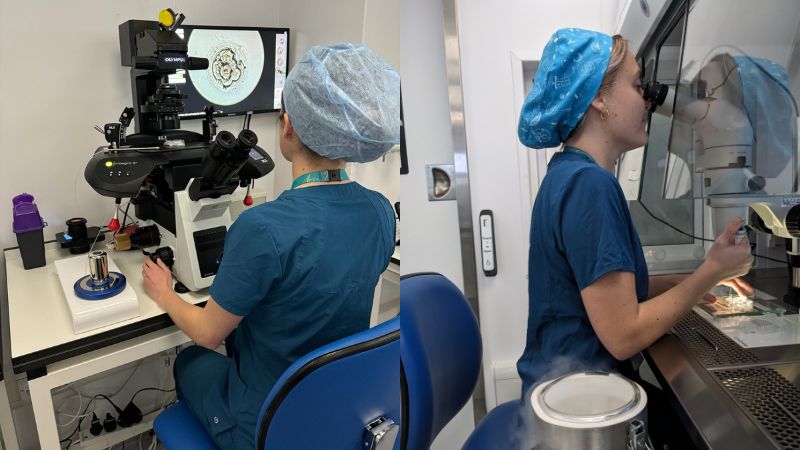
London IVF lab

Before working in IVF in the UK, all three of our embryologists first studied in their home countries.

Summer completed a Bachelor of Biomedical Science (majoring in Reproduction, Genetics and Development) before completing a Bachelor of Biomedical Science with Honours, both at the University of Otago in New Zealand. She then completed her Masters of Clinical Embryology at Monash University in Melbourne, Australia.

Her first job was a trainee position at Fertility Associates in Auckland, New Zealand where she learnt all the necessary skills of being an embryologist.

Kim completed a BSc in Human Life Sciences & Psychology at Stellenbosch University in South Africa, then completed a Master’s Degree in Clinical Embryology at the University of Dundee.

After completing her MSc, she worked as a lab technician before advancing to a trainee embryologist. “I had in-house training, in both private and NHS settings, up to biopsy practitioner, before applying for professional registration. In this time, I also gained accreditation by the European Society of Human Reproduction and Embryology (ESHRE) as a Clinical Embryologist.”

Francisca holds a BSc and MSc Biochemistry from leading Portuguese universities. “I’ve also conducted my master’s thesis on the topic of male infertility. However, I’d say that my training didn’t start until I set foot in an IVF clinic and since then it has been an ever-growing experience, we are continuously learning! Since I’ve moved to the UK, I’ve learnt a great deal through colleagues, workshops, talks and the HFEA. Furthermore, acquiring my professional registration, has also been a key moment in my training.”

How do you stay current with the latest research and advancements in embryology?

“Aria Fertility supports an environment dedicated to improving outcomes through innovations in technology,” Kim explains. “Staying current with scientific advancements and professional recommendations enables us to provide state-of-the-art patient care.

This can come through a variety of sources. “Reading the latest scientific journal articles, attending conferences, LinkedIn, workshops, these are all useful,” Summer adds.

“Moreover, one of the most practical ways is to keep an eye on the embryology hubs that exist online; in that sense, social media has been very helpful in diffusing the latest developments,” Francisca points out.

What is the process or protocol that has most surprised you in terms of development and research?

“I’d probably say that trophectoderm biopsy, used for genetic testing (PGT), has been the process that surprised me the most,” Francisca explains. “Not only because I had not seen it before until I moved to the UK but was well for the level of detail and technical skill that it entails. It’s also a protocol that has evolved quite a lot in the last years, especially the technique used at the genetics lab to detect the abnormalities.”

How have recent advancements in embryology, like genetic screening, affected your work?
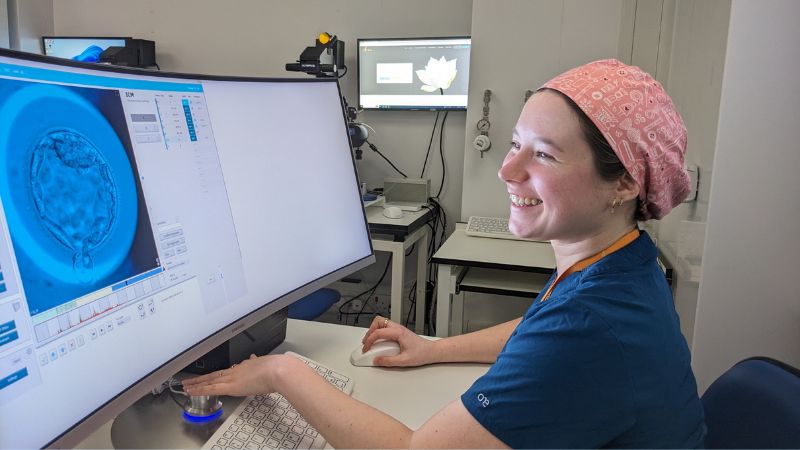
genetic screening in IVF lab

Both Kim and Francisca feel that genetic screening has greatly expanded their skill set and how they can guide patients through their treatment. “I became an embryo biopsy practitioner about a year and a half ago so the whole process is still very exciting to me,” Kim explains. “It is a valuable skill set to have, and unique as not all clinics provide genetic testing to their patients.”

“On one hand, such processes have made my work more challenging, in a positive way, since it has raised the bar for my skills and knowledge,” Francisca agrees, “and on the other hand, it has made it easier to guide patients on their treatment, as genetic screening can provide crucial answers.”

Summer feels that the greater awareness of egg freezing has had a huge impact on the fertility sector. “While egg freezing isn’t necessarily a new technology, I have really enjoyed the rise in awareness of this technology in the public space, and how more and more women are thinking about and planning their reproductive futures.”

What are some of the most exciting future possibilities in the field of embryology?

All three embryologists agree that AI will be the big focus in IVF. “It is very interesting to see what avenues are being explored and how this may impact our day-to-day procedures and the positive influence on our patients’ goals,” Summer explains.

“However, there will always be a need for a human embryologist on the other end of the line to support patients through the emotional impact and big decisions involved in IVF,” adds Kim.

Another possibility is creating eggs and sperm from stem cells. “I feel the possibility of creating gametes from other cells of one’s body could be a reality at some point, and this could bring hope to oncology patients,” Francisca expands.

Beyond the lab, what role does communication play in your job?

“As a clinic, we feel communication with our patients is one of the most important aspects of their treatment, for them to understand the process, the risks and to ask any questions they may have,” Summer explains.

“Patient interaction is my favourite part of the job,” Kim agrees. “I love explaining what goes on so that patients don’t feel the lab is a ‘black box’ of unknowns, and the decisions can be made together.”

Communication between team members is also vital. “Considering we all work under a lot of pressure and in a confined space, it’s super important to communicate effectively with colleagues to ensure that everything goes as smooth as possible,” Francisca explains.

“This helps when liaising with patients who can tell there is really good communication amongst the lab and greater team,” Kim agrees.

Is there a ‘typical’ workday at Aria Fertility?

“I’d say that each day can be quite different, as there are no equal cases, however there is a main structure that is followed every day,” Francisca explains.

The mornings tend to be busy with fertilisation checks, thawing embryos for embryo transfers later in the day, egg collections, embryo grading and sperm preparation. The afternoons are typically filled with inseminations (either conventional IVF or ICSI -sperm injection into the egg), embryos transfers, preparing for the next day and diagnostic sperm analyses.

What is the hardest part of your job?

Our embryologists all agree on what is the hardest part of their job.

“It’s without a doubt having to give bad news to the patients or to see that their treatment wasn’t successful,” Francisca explains. “Each failed fertilisation, negative pregnancy test, each pregnancy loss really takes a toll on all of us at Aria Fertility.”

“It never gets easier to tell a patient that is hasn’t worked this time,” Summer agrees.

“We want every outcome to be a success, but unfortunately science is not that robust yet, and this is a huge drive to keep developing the research behind IVF so we can better the chances of success,” Kim resolves.

What is your favourite part of your job?
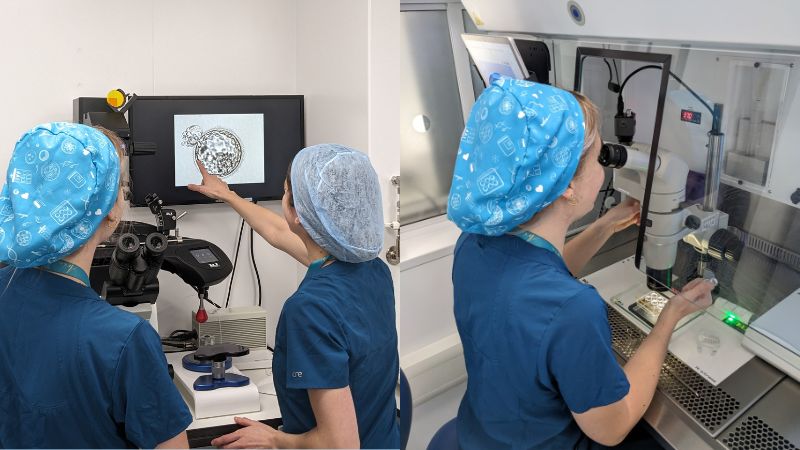
Aria embryologists

“My favourite lab procedures are egg collections and ICSI. But, overall, my favourite parts are the conversations with patients, and ultimately having a helping hand in our patients realising their dreams of becoming parents,” Summer believes.

“I love it when patients return with a healthy baby for cuddles, after seeing them as a tiny embryo in the lab,” Kim agrees. “This makes every tough day worth it, knowing that so much joy is coming from it. I love speaking with patients and helping to guide them through the difficult decisions they need to make. I love working with the team as we all share common goals, and that is to see each patient journey end in success.”

“I truly value the fact that we can guide patients through their treatment and to be able to explain to them the latest scientific developments that we implement, but I also quite appreciate the fact that each day in the lab is different, each patient is a new opportunity of success,” Francisca adds. “Furthermore, in order to be an Embryologist, one has to have a broad spectrum of knowledge, from Biology to Law, Mathematics to Pharmaceutical Sciences, etc. and personally I enjoy this side of my job.”

At Aria Laboratories, we are proud to be at the forefront of cutting-edge fertility research, constantly striving to push the boundaries of what is possible in the field of IVF. On Research Appreciation Day, a day dedicated to honouring the invaluable work of health researchers worldwide, we want to take this opportunity to celebrate the research being conducted at our laboratory.

Below are some research projects that we hope will shape the future of IVF with patient experience as a pivotal element:

Enhancing Non-Invasive Preimplantation Genetic Testing with Morphokinetic Data

One of our ongoing research focuses on utilising morphokinetic data to enhance the diagnostic precision of non-invasive preimplantation genetic testing (niPGT). niPGT involves the examination of markers on the culture media in which embryos grow, which is usually discarded.

This research aims to move towards a non-invasive genetic testing approach, eliminating the need for embryo biopsy. Encouragingly, this research has already resulted in live births, highlighting the safety and reliability of this non-invasive method. By embracing this innovative approach, we strive to minimise the invasiveness of genetic testing and optimise outcomes for our patients.

AI-Based Classification for Improved Sperm Selection

Understanding the maturity and integrity of sperm plays a crucial role in assisted reproductive technology (ART) procedures. To further our understanding in this area, we are conducting an analysis of single-sperm maturity using artificial intelligence (AI) imaging classification scores.

By harnessing the power of AI software, we aim to provide embryologists with a valuable tool that offers consistent second-hand opinions, aiding in the selection of the most viable sperm for ART procedures. This technology not only enhances the accuracy of sperm selection but also embraces the integration of new technologies in our IVF laboratory.

Semen Analysis with AI Robotics

Presented at the 39th Annual Meeting of the European Society of Human Reproduction and Embryology (ESHRE) in Copenhagen, this study explored how AI can improve andrology pathways while enhancing the overall patient experience.

By leveraging the power of AI robotics, we aim to streamline and optimise the semen analysis process, reducing turnaround time and enhancing accuracy. This research represents our commitment to embracing technological advancements to achieve the highest standards of patient care.


By collecting comprehensive data and insights, we aim to refine and improve our practices, ensuring the highest level of care and support for our patients throughout their fertility journey.

To find out more about the work of our embryologists, call +44 (0) 203 263 6025 or email us at admin@ariafertility.co.uk.

Since the birth of the first baby conceived using in vitro fertilisation in the UK more than four decades ago there have been significant advances, but for many couples IVF remains an emotionally and physically challenging process that may not lead to conception.

Recently, much of the focus has been on the role that Artificial Intelligence (AI) can play in improving the current live birth rate per embryo transferred. This currently stands at 25% and 19% respectively for patients aged 35 to 37 and 38 to 39 according to the most recent figures from HFEA.

“Artificial Intelligence (AI) for gamete and embryo selection has marked the start of a new era in IVF and is here to stay,” explains Xavier Viñals Gonzalez, Aria’s Senior Clinical Embryologist and Laboratory Manager.

“We can now get a deeper level of information which was not available to embryologists before. AI systems are already key for research and development in the field of IVF and will certainly improve our understanding of egg and sperm quality and embryo development.”

AI and IVF

Artificial intelligence describes technology that mimics human cognitive capacity to make predictions based on evolving data. In the IVF lab, it can aid the embryologist to make a rapid and accurate assessment of the health of a gamete or embryo.

Artificial intelligence is used as extension to time lapse monitoring that takes images of embryos at intervals of ten minutes, allowing our embryologists to monitor every stage of embryo development.

AI systems can review a massive amount of data, far more than humans can process, including hundreds of images from each developing embryo. Some AI algorithms are trained to predict clinical pregnancy, others to unveil genetic make-up of the embryos.

By analysing thousands and thousands of these time lapse images and comparing those that go onto successful outcome to those that don’t, AI uses this data to grade the embryos with greatly improved accuracy.

This process is always overseen by our embryologists who review the selection process before implantation but, as Xavier explains, “the assistance of AI systems to daily laboratory workflow will offer patients outcome optimisation and provide better understanding of their chances along reproductive journey.”

A study published last year in the Journal of Assisted Reproduction and Genetics discussed how AI can be used as an essential component in a fertility clinic lab’s quality management system. It could provide “systemic, early detection of adverse outcomes, and identify clinically relevant shifts in pregnancy rates”.

Currently, Aria Laboratories continue to evaluate the efficacy of time-lapse parameters and artificial intelligence algorithms as predictors of embryo potential with the main focus on delivering high success rates to our patients, whilst minimising multiple pregnancy. To learn more about the use of AI in the Aria Fertility lab, call (0) 203 263 6025 to arrange a consultation.

GET IN TOUCH.

This contact form is deactivated because you refused to accept Google reCaptcha service which is necessary to validate any messages sent by the form.

OPENING HOURS.

Mon – Fri: 9am – 5pm

CLINIC LOCATION.

8 Welbeck Way  London  W1G 9YL

CONTACT US.

+44 (0) 203 263 6025

admin@ariafertility.co.uk

Fertility Clinic London Location

Authorised by the Human Fertilisation Embryology Authority

LEGAL ARIA PATIENT PORTAL