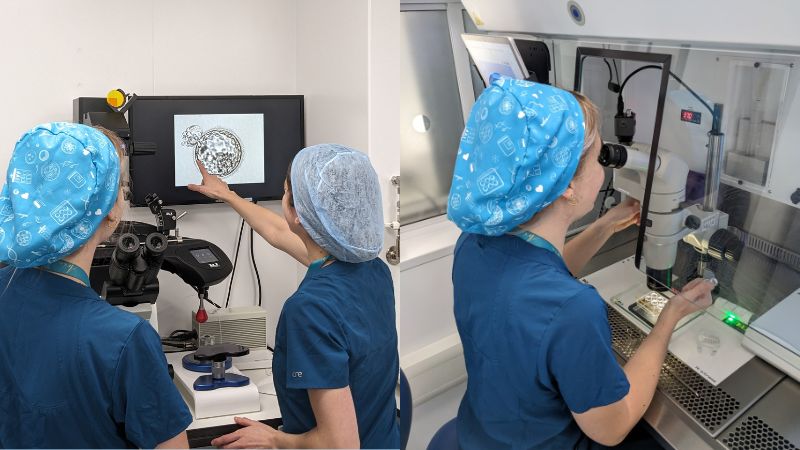
Endometriosis can raise a lot of questions, especially when it comes to fertility. Recently, Carla Cressy of The Endometriosis Foundation sat down with Aria Fertility’s Ms Srividya Seshadri to discuss the link between endometriosis and fertility.

Carla: We’re sitting down with gynaecologist and fertility specialist, Ms Srividya Seshadri at Aria, where we’ll be talking openly and honestly about what endometriosis really means for reproductive health. We’ll cover everything from lifestyle and early testing to fertility preservation treatments and planning a pregnancy so that you can feel informed, supported and empowered to make decisions that are right for you at the right time. Before we talk about medical treatments or fertility preservation. I wanted to start with something a little more fundamental, like the everyday things that people can do to support their fertility.

How do nutrition, stress and sleep play a role in long -term fertility, especially for those with endometriosis?

Vidya: You’ve highlighted two very important factors that could affect fertility. Recently, there has been a focus on PFAS, or forever chemicals, and their potential effects on egg and even sperm quality.

I’m a big believer that nutrition should be in pristine health, at least before any fertility treatment is contemplated. This can range from diet, what triggers to avoid, or curbing excessive caffeine or alcohol intake

Vitamins are also important for fertility, especially folic acid. Folic acid is paramount for egg quality and early pregnancy development, especially the central nervous system development of the baby. Vitamin D also plays a powerful anti-inflammatory role, and we should really be taking it year-round.

One of our government’s guidelines is that all of us who live in the UK must take a daily dose of 10 micrograms of vitamin D. It’s not only helpful during the Winter, but it’s also very good for symptoms of endometriosis and improving egg quality.

However, anything taken in excess is also not great for egg quality. Vitamin E is thought to be good for the eyes and the skin. But it’s a fat-soluble vitamin and so is stored in our fat deposits for a considerable length of time.  Also, taking too much vitamin A in early pregnancy is not conducive to embryonic growth and could be quite toxic for early embryo development. So, I would say avoid vitamin A if you’re trying to conceive.

Sleep is also very important, and we often underestimate its effect on egg quality. There have been some observational studies in the US that looked at how sleep quality affects egg quality, and I’m a firm believer that we need everything in balance to achieve an optimum outcome.

Carla: What fertility tests are available for someone with endometriosis, even if they’re not trying to conceive yet?

Vidya: The fertility investigations would include a blood test that checks our Anti-Mullerian Hormone level. It’s a hormone secreted by small cells lining the follicle, or fluid bubble, that contains our eggs.

It gives us a rough indication of our egg reserve at a given point in time compared to that of a woman of our age. But it does not often predict your future fertility.

So, if you’re an individual wanting to exercise your reproductive choice or even have underlying endometriosis and considering fertility preservation, then doing that test may be valuable because then you can ascertain if you want to do an IVF cycle for egg freezing before embarking on endometriosis treatment.

The test is not dependent on your cycle, so it can be done at any point in your menstrual cycle. The second test is a transvaginal or internal scan.

For individuals with endometriosis, this scan will be very important because endometriosis often causes scarring due to inflammatory deposits or adhesions. A transvaginal scan will also ascertain the position of the ovaries and the number of follicles.

As I alluded to earlier, follicles are the bubbles that contain eggs, so they represent the number of eggs recruited from the federal egg bank reserve each month.

Those are the two tests I would initially offer. But doing tests just for the sake of checking things without wanting to do anything about them is not advisable. But I tell any patient, it is valuable to ensure that our diet, exercise, nutrition, and supplements are in order. Those are the parameters I would look for or try to optimise before we start thinking about reproduction.

Carla: When should someone with endometriosis consider having fertility preservation?

Vidya: If they have been diagnosed with stage 3 to stage 4 endometriosis, and they’ve done their AMH level, and it is borderline.

I feel strongly that the number doesn’t always matter because I have seen individuals with severe endometriosis with a very good AMH value, but I still would encourage them to consider egg or embryo freezing because of the nature of the condition.

The reason for that is that endometriosis is a very difficult condition to predict. Unfortunately, we cannot map out the reproductive cycle and tell an individual how many months they have before their AMH or egg reserve drops. And with endometriosis, that drop could be quite sudden, from a very good egg reserve to negligible.

So, a blood test should not explicitly dictate what an individual should do.

Carla: At what point should someone with endometriosis who is actively trying to get pregnant seek help?

Vidya: I believe that after three to six months of trying naturally, if there is no natural conception, they should seek medical investigations and further intervention.

Now, saying that, not all women with endometriosis have difficulty conceiving. There have been many anecdotal cases where women have had severe endometriosis and have fallen pregnant naturally and have had a wonderful pregnancy and child delivery.

So, I don’t think we need to sort of compartmentalise based on the severity of the diagnosis, but it would depend on the individual’s symptoms, what stage they are at in their life, and their individual circumstances before they make that decision.

Carla: How do you help patients to understand results without any unnecessary fear or anxiety?

Vidya: That is a very important question because, as a clinician, conveying a test result without causing undue anxiety for the patient is paramount. And often it’s difficult because what they take home from the discussion about the results may be completely different from what the clinician discussed with them.

I discuss their results with them, give them time to reflect on the discussion and, if they want, have a follow-up appointment so they can ask any questions that have been left unanswered or help with any ambiguity in their decision-making.

Carla: One of the most common and often kind of frightening beliefs around endometriosis is that it automatically means infertility. What is the real link between endometriosis and infertility?

Vidya: Very good question. The link between endometriosis and infertility is not clearly defined, but up to nearly 50 % of women with endometriosis have problems conceiving. It is a lot, but again, we must bear in mind the other side of the coin that the majority have no problem conceiving.

But endometriosis is an inflammatory condition; those deposits, as they travel through the tubes, can cause scarring and therefore tubal blockage, preventing the egg from fertilising the sperm. Or it could mean that these deposits sit in the ovaries and are akin to rust on metal.

And this inflammation of the ovaries can mean that egg numbers and egg quality can rapidly deteriorate.

Carla: And what do the actual statistics tell us versus the myths that we often hear?

Vidya: The myth we often hear is that if you’ve got endometriosis, you can’t conceive, and you’re doomed for infertility, or you can only conceive through IVF treatment, and the answer is no, because most women with endometriosis have no problem conceiving.

Another myth is that if you get pregnant, be it through natural conception or IVF, your endometriosis will improve. That is a myth that’s been busted. Some women can have a smooth pregnancy, but quite often symptoms will return shortly after birth; for others, their pain just exacerbates during pregnancy.

What I don’t want is for everyone to panic about being diagnosed with endometriosis, because number one, we have so much more information compared to 25 years ago.

For more advice on how we treat patients with endometriosis, please arrange an initial consultation with one of our fertility experts.
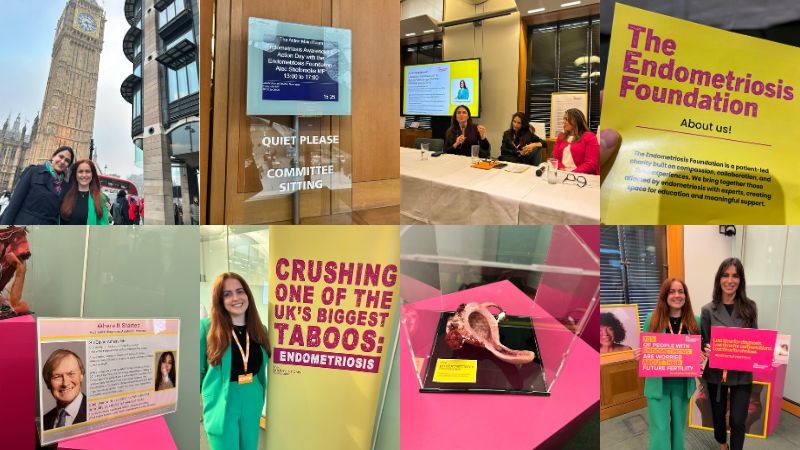
Yesterday, Aria’s Srividya Seshadri and Zoe Webb attended a panel held at the Houses of Parliament in aid of Endometriosis Awareness & Action Day. Hosted by Carla Cressy of The Endometriosis Foundation, the inspiring event was dedicated to crushing the taboo surrounding endometriosis.

Dr Seshadri spoke on the panel about the link between endometriosis and fertility and what we can do to help patients:

“It was an honour to join the panel of experts to discuss this often distressing disease. I believe in the four Es of endometriosis. First, it’s essential to educate everyone about this condition. We should also encourage individuals to discuss its impact on them. Then empower them to make informed decisions about their reproductive choices. Lastly, help them evolve into an endometriosis warrior!”

Aria team attend Endometriosis Awareness Event

Aria’s theatre manager, Zoe, herself suffers from endometriosis and was honoured to attend both on a professional and personal level. “It was incredibly inspiring to hear such courageous and vulnerable stories as well as listen to the top experts in the field of endometriosis and fertility, which included Aria’s Dr Seshadri. We have a long way to go in the fight for better endometriosis care, but today reminded me exactly why we keep going.”

For more advice on your reproductive choices if suffering from endometriosis, get in touch to arrange a consultation with one of our fertility experts.
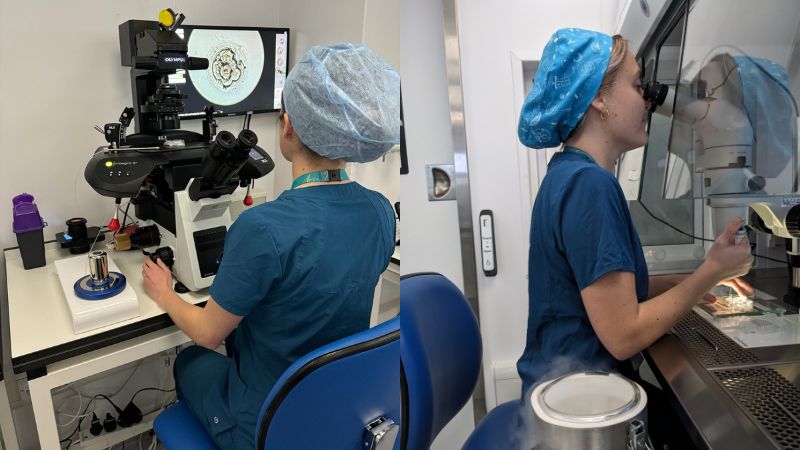
My name is Dr Joe Lipton, and I am one of the team of consultant anaesthetists working here at Aria. This short blog post is designed to help you understand what to expect from your sedation when you attend the clinic for egg collection, either as part of egg freezing or IVF.

All anaesthetists at Aria are experienced consultants who also work in London teaching hospitals. Our role is to keep you safe, comfortable and well-supported throughout your procedure. When you meet your anaesthetist on the day, they will ask about your medical history, any previous experiences with sedation or general anaesthesia, and talk you through the process step by step.

Occasionally – usually for patients with particular underlying health conditions – you may need to have an anaesthetist consultation in advance to help plan your care. In rare circumstances, we may recommend sedation in a hospital setting, though this is uncommon.

Before your sedation

As part of your preparation, you will receive clear instructions on eating and drinking. It is important to follow these carefully:

  • No food or drinks containing milk for at least 6 hours before sedation
  • No drinks at all, including water, for the final 2 hours

You will still be offered a dose of paracetamol on arrival, which can safely be taken with a small sip of water. These fasting guidelines are essential for your safety, as having sedation with food or drink remaining in the stomach carries a risk of regurgitation while sedated.

During the egg retrieval procedure

In the procedure room, we will attach routine monitoring equipment and provide you with oxygen via a face mask. The anaesthetist will place a small cannula (a thin tube) into a vein in your hand or arm. Through this, we administer a strong pain-relieving medication together with a sedative. The sedative that is administered can sometimes sting, feel cold or uncomfortable for a short time as it is injected, but these sensations should pass quickly.

These medicines work quickly to produce a state of deep sedation. With deep sedation, some patients may have brief awareness or recall during the procedure; however, most patients are very relaxed, comfortable, and unaware of what is happening, and many do not remember anything from the time the medication is given until they wake up afterwards.

Your anaesthetist will remain with you throughout the procedure, carefully monitoring you and adjusting medication as needed to ensure your comfort and safety.

After your egg collection procedure

Once the egg collection is complete, we stop administering sedation, and you will wake up shortly afterwards. It is normal to feel drowsy for several minutes while the medication wears off. The nursing team will monitor you closely in recovery and ensure you are comfortable, including providing additional pain relief if needed.

Mild cramping or discomfort is common immediately after egg collection, but this usually settles quickly. Some patients feel nauseated after sedation; if you have experienced this before, please tell your anaesthetist, as we can give preventative anti-sickness medication.

The procedure itself usually takes 20–30 minutes, and you will typically spend around an hour in recovery. You can go home once you feel well, have had something to eat and drink, and have emptied your bladder. Your Anaesthetist will review you before you leave, and the nursing team will talk you through aftercare instructions. It is normal to experience some discomfort at home after your procedure, so you should stock up on simple painkillers that can be purchased over the counter.

You may continue to feel the residual effects of sedation for up to 24 hours, so you should not drive, operate machinery, or sign important documents during this time.

Further information

You may wish to watch the videos we have posted, which show the procedure room and give a clearer sense of what to expect. If you have any concerns about sedation or would like to speak with an anaesthetist in advance, the clinic can arrange this.

We wish you all the very best with your fertility journey, and we look forward to meeting you.

This month, we’re speaking to fertility dietitian Alex Ballard (@alextalksdiet), who specialises in preconception nutrition and offers support to Aria Fertility patients.

What are your qualifications and experience as a dietitian?

I qualified as a dietitian in 2015 following a four-year degree involving various clinical placements. These included specialties such as paediatrics, intensive care, oncology and surgery.

Since then, I have worked in the NHS for ten years, seeing patients from all walks of life needing nutritional support. A lot of my current NHS work focuses on diabetes, cardiovascular disease, menopause and elderly care within GP surgeries.

Five years ago, I started my private practice as a specialist fertility dietitian following extensive research and additional training. I have advised hundreds of clients on diet and fertility, fertility treatment and foetal development.

I am a member of the British Dietetic Association and am HCPC registered.

What is the most rewarding part of your role as a fertility dietitian?

That is easy!

Firstly, clients’ feedback that they felt listened to, not judged, and were motivated to make changes following our session.

Secondly, getting updates from past clients to say they are pregnant. I love hearing back from clients to know how their journey is going.

What do you consider to be a healthy diet?

The reason it is so valuable to see a dietitian is that a ‘healthy diet’ can look incredibly different from person to person.

It is fantastic that diet is such a powerful tool for helping with fertility and managing health conditions (such as PCOS, diabetes, coeliac disease and endometriosis), but it’s essential that advice is personalised to an individual.

In general, balance is key! All foods can be part of a healthy, balanced diet. However, focusing on adding a variety of different colours and maximising naturally occurring foods is a helpful foundation for most people.

What inspired you to get into fertility nutrition?

I have always had a keen interest in female health and understanding how diet can improve symptoms for conditions such as PCOS, hypothalamic amenorrhea and endometriosis. This likely started following some of my own hormonal issues.

I started reading the research available on how diet can impact fertility and was astonished that nutrition wasn’t being talked about more in this space. I really wanted to use my knowledge to help individuals on their fertility journey and give them back some control.

What can clients expect when they work with you?

A friendly face and a non-judgemental conversation. My private consultations are relaxed and involve working together to formulate realistic nutritional goals.

My consultations are online, and an initial appointment ranges from 60 to 75 minutes. I can see individuals or couples.

We will start by getting to know each other and you explaining your goals. Then we will gather information about your current dietary intake and lifestyle. Following this, we will discuss relevant information about how nutrition can help you and together agree on what you want to work on first.

Review appointments are also available so that we can chat about how things have gone, discuss any challenges and add in some more changes when the time is right.

What are the most common challenges that your fertility clients face?

Often, my fertility clients may have multiple nutritional needs alongside trying to conceive and, for example, have a health condition that is impacted by diet (such as PCOS, high blood pressure, IBS), an allergy or intolerance to particular foods or food preferences (such as following a vegan diet).

Typically, in these cases, there can be so much information – often conflicting – that they are left confused and unsure of what to do.

A dietitian can help unpick this and make sure the agreed goals are appropriate for all of your needs.

Do you have one piece of advice for couples or individuals trying to conceive?

There can be too much of a good thing. Always have a sensible hat on when you hear advice about food.

It is fantastic that particular nutrients can be so helpful for fertility. However, it is always good to have a wide variety of ingredients instead of overloading on the same specific foods.

Yes, red/pink fruits and vegetables are helpful for lycopene. No, you do not have to drink glasses of beetroot juice each day.

Yes, a preconception supplement can be helpful for some people. No, you do not need to take three different ones or spend a fortune.

Yes, eating more nuts and seeds can be fantastic for fertility. No, restricting yourself to just seed cycling is not necessary.

Contact fertility dietitian Alex Ballard for more advice. We work closely with a wide range of practitioners to provide support throughout your fertility journey – click here to visit our Support Hub.

The Human Fertilisation and Embryology authority (HFEA), the UK’s fertility treatment regulator, has released the latest statistics on fertility treatment in the UK, and it makes for interesting reading.

One IVF baby in every classroom?

One stand-out stat that has been much quoted in the national press is that one in every 32 births in the UK in 2023 was a result of IVF treatment – the equivalent of one child in every classroom. That’s an increase of 34% in ten years, according to HFEA data.

The total number of IVF cycles carried out in 2023 was 77,500, on 52,400 patients, with around 20,700 babies resulting – suggesting a success rate of 27%. IVF births now make up around 3.1% of all births in the UK, up from 1.3% in 2000.

More fertility treatments in general since 2019

It isn’t just IVF use that’s on the increase in the UK – the data shows a steady rise in almost all fertility treatments in the UK from 2019 to 2023. Around 98,900 treatments were performed in the UK in 2023, broken down as follows:

  • 78% IVF treatments
  • 9% embryo storage
  • 7% egg freezing
  • 6% donor insemination (DI) treatments

More single patients using fertility treatment

The demographic with the sharpest increase in IVF treatment in 2023 was single patients, with a whopping 83% rise since 2019. Next was female same-sex couples, whose IVF use increased by 45%, to 2,559 couples treated in 2023.

There was also an increase of 1% in the number of single patients using donor insemination (DI) treatments, while every other demographic surveyed saw a decrease in DI treatment.

Egg freezing on the rise

Another fertility treatment that saw a significant increase was egg freezing, up from 4,700 treatments in 2022 to 6,900 in 2023. The largest increase was seen among women in their thirties.

This data tallies with what we are seeing here at Aria Fertility, with more and more women choosing to establish their career before starting a family, but not wishing to risk leaving it too late.

Egg freezing offers a great opportunity to preserve eggs produced when you are at peak fertility for use later on, allowing women more control over when they start a family.

How does egg freezing work?

As we age, the quality and quantity of the eggs we produce begins to decrease. While historically most women were having babies in their late teens and early twenties, nowadays that schedule seems less realistic, as study, work and travel often take priority in the first flush of youth.

To avoid missing your most fertile years, however, you can choose to have eggs surgically harvested and frozen, to be used at a later date when you feel ready to commit to parenthood.

Egg freezing is a minor surgical operation that takes between 20 and 30 minutes, and is performed using intravenous sedation, so you won’t feel a thing.

There is of course no obligation to use the eggs you have frozen if you eventually decide that family life is not for you, but many women (6,900 in 2023!), find that freezing their eggs allows them peace of mind as they pursue their career.

For more information on any of the treatments mentioned here, or to book a consultation, please contact us.

2025 marks the 10th anniversary of the International Day of Women and Girls in Science, which focuses on closing the gender gap in science. To celebrate this important day, we interviewed Aria Embryology Practitioner Ghazal Khalili about what drew her to a career in reproductive science and her journey so far.

Why were you drawn to a career in embryology?

I originally wanted to pursue a career in paediatrics because I am interested in caring for and helping children. However, after observing doctors in a hospital setting, I realised that the emotional demands of that role were not the right fit for me.

My desire to work in the medical field, particularly with children, remained strong, so I shifted my focus to embryology and IVF. During my undergraduate studies, I had the opportunity to shadow professionals in a fertility clinic for the first time. The moment I stepped into the IVF lab and explored its various facets, I knew I had found my true calling.

What education did you pursue to become an embryologist?

I earned a first-class Biomedical Science degree from the University of Warwick, during which I undertook a placement year as a trainee Andrologist at the University Hospitals Coventry.

Following this placement, between my second and third years of study, I completed an eight-week summer research project at the Sheffield University Hospitals under the guidance of Professor Allan Pacey. This project focused on investigating the advantages of microfluidic devices compared to traditional sperm preparation methods in IVF settings. This happened during the COVID pandemic, which made training even more difficult.

These experiences significantly enhanced my scientific knowledge and research skills in the field of reproductive science.

What stage are you at in your career?

I am in my second year of the Scientific Training Programme (STP) in embryology, where I am gaining academic knowledge and practical experience. I work as a trainee embryologist, and as part of the programme, I travel to Manchester University for exams and academic training.

Additionally, I receive hands-on practical experience at Aria under the supervision of Dr Xavier Gonzalez, where I apply what I’ve learned in a real-world setting. This combination of training and studying simultaneously provides me with a well-rounded experience as I continue developing my clinical embryology skills.

What training do you do at Aria to optimise the skills necessary for specific procedures?

I am supported by a comprehensive training plan and a dedicated training officer throughout my learning process. Some key areas of my training include:

  • Oocyte retrieval
  • Assessment of oocyte maturation
  • Sperm processing for fertility treatments (IUI, IVF, ICSI)
  • Sperm analysis and cryopreservation
  • Embryo grading and assisted hatching (using the embryoscope)
  • Preparation of culture dishes and tubes for treatment days
  • Communicating embryo development updates to patients
  • Handling of liquid nitrogen
  • And more…

Who do you work with in the lab?

In the lab, I work with senior embryologists and embryologists.

What is a typical workday for you?

A typical day for me could begin with oocyte retrieval in the morning, followed by assisting my colleagues with various tasks, such as calling patients and providing updates. I may focus on andrology in the afternoon or prepare for the next day’s procedures.

When I’m involved in set-up, my responsibilities include printing patient notes, verifying all HFEA mandatory consents and blood work to ensure accuracy, and reaching out to patients to explain the upcoming steps from the lab’s perspective. I also encourage them to ask any questions they may have. Finally, I prepare culture dishes and embryoscope slides before the next day’s treatment procedures.

How often do embryologists interact with fertility patients? Do you enjoy the balance of lab work and patient contact?

Embryologists interact with patients regularly, primarily over the phone, to provide updates on their embryos/gametes. However, some patients prefer minimal contact until the final stages of their treatment, which we respect and document accordingly.

For patients undergoing egg retrieval and IVF cycles, there are occasions when they wish to discuss questions regarding their eggs or sperm samples, at which point we engage in face-to-face conversations at the recovery area in our clinic.

Personally, I find in-person interactions more fulfilling than phone conversations, as they allow for better communication through body language and expressions. This is especially helpful when delivering difficult news, as it’s easier to gauge how the patient reacts and provide support accordingly.

Overall, I genuinely enjoy the balance between lab work and patient contact – it creates a stronger connection and allows me to be more involved in the patients’ fertility journeys.

Is there an area of fertility that you’d like to specialise in?

I hope to be a fully-trained clinical embryologist by the end of my STP programme.

What new or future developments in IVF are you most excited by?

I’m particularly excited about the advancements in stem cell-based embryo models. Studying embryo models could provide insights into the development of genetic diseases and potential therapeutic targets. Using stem cells to develop embryo models could offer groundbreaking opportunities for understanding and improving fertility treatments. It’s exciting to think about how these developments could shape the future of reproductive medicine.

At Aria Fertility, we believe in empowering our patients with knowledge and support to make informed reproductive decisions. Our commitment to patient education is at the heart of everything we do. Recently, our head of the laboratory, Dr Xavier Viñals Gonzalez, in collaboration with University College London, published a study on patient perspectives after preimplantation genetic testing for aneuploidy (PGT-A). This research sheds light on the complexities and challenges faced by patients when deciding whether to transfer a non-euploid embryo. Today, we sit down with him to discuss the findings and their implications for patient care.

Dr Gonzalez, can you explain what non-euploid embryos are and why they presents a challenge in reproductive medicine?

Dr X: When we perform preimplantation genetic testing for aneuploidies or PGT-A, we typically would expect to get embryos reported as euploid (genetically normal) or aneuploid (genetically abnormal). Mosaic or segmental aneuploid embryos are non-euploid embryos which have shown to have moderate to good reproductive potential based on published literature. When a non-euploid embryo is identified, the decision to transfer such embryos offers challenges to patients as the clinical outcomes and long-term effects are often uncertain.

Your study highlights several key factors influencing patient decision-making. Can you elaborate on these?

Dr X: Certainly. Our study involved an online survey of individuals worldwide who had undergone PGT-A during their fertility journey and had a non-euploid embryo as a result. For most respondents, the type of non-euploid found was a mosaic. From their responses, we learned that the opportunity to discuss implications, the number of topics covered during consultations, and the country where the treatment was received were significant factors influencing decision-making. Additionally, respondents highlighted mismatched expectations, inadequate information provision, and an unsupportive decision-making process as major challenges.

Can you share some of the respondents’ experiences regarding mismatched expectations of PGT-A?

Dr X: Many respondents noted a gap between how IVF professionals explain PGT-A to patients and the certainty with which it is offered. Quotes in the paper reflect a common sentiment that the limitations of PGT-A may not have adequately been communicated.

How common is mosaicism in human embryos?

Dr X: This is a very good question and the answer may vary depending on which clinic you will be undergoing treatment and the genetic laboratory that will process your samples. However, we would typically expect the mosaicism rate to fall under 10% across all age groups. Not all clinics report mosaicism, so if this information is important to you – this is something you will need to discuss with your team.

What about the clinical outcomes of mosaic embryos?

Dr X: In recent years, research in mosaic embryos has shown similar reproductive outcomes compared to embryos reported as euploid – and by outcomes, I  mean sustained pregnancy/live birth and miscarriage rates.  One of the main concerns I hear from patients is how likely is this mosaicism seen on embryos to be present at birth; and from what we know, this is very unlikely. It is important to also note that there are different types of mosaic and other non-euploid embryos (ie. non-mosaic segmental), with varying outcomes. We are very active in the area of human reproductive genetics and we hope to share the work we are doing soon.

Respondents also mentioned inadequate information provision from clinics. Can you discuss this issue?

Dr X: Yes, some respondents expressed that their clinics provided limited or no information about PGT-A ahead of the testing. Less than a quarter of the respondents were given information about the use of non-euploid embryos and only 17.5% were aware of the risk of miscarriage after PGT-A. One respondent said, “There was no discussion other than it was included into the IVF package.” This lack of detailed information led many patients to undertake their own self-directed research, often relying on medical literature, peers, private genetic counsellors, and social media groups.

How does Aria address these concerns?

Dr X: At Aria, we are committed to providing comprehensive and transparent information to our patients. We believe in clear, patient-centered communication to help patients understand their options. Our team is available to discuss the implications of PGT-A results and answer any questions. We strive to create a supportive environment where patients feel empowered and informed. We have an excellent Genetic Counselling support service that explores complex genetic information with patients so they can understand some of these terminologies in the context of current evidence in the field.

What are the global trends and insights from your study?

Dr X: It’s important to note that the data in our study comes from patients worldwide, with a higher proportion of respondents having received treatment in the US. This highlights global trends and could provide insights into how different populations navigate non-euploid embryo transfers.

What are the next steps for research in this area?

Dr X: The field of reproductive genetics (and embryology) is continuously evolving. Studies on non-euploid embryos, show that some previously not recommended for treatment could now be considered after careful consideration. The eldest baby born from a mosaic embryo in our dataset was 3 years old at the moment of response and met all developmental milestones. Research on live birth data and developmental milestones could bring further reassurance to patients and professionals.  Our research highlights the need for further studies to better understand the experiences and needs of specific patient groups. By expanding our understanding, we can continue to improve the support and information we provide to our patients. We are committed to advancing reproductive medicine and ensuring our patients have the best possible care and support.

Thank you for sharing these insights. Any final thoughts for our readers?

Dr X: At Aria, we are dedicated to helping our patients navigate the complexities of human reproduction with information based on internal evidence and experience, considering global trends. It is part of our human nature to want to quantify success in numbers, and with the broad information we have online nowadays it is difficult for patients to gather whether that is relevant to them or not. If you have any questions or need more information about genetic testing, please don’t hesitate to reach out to our team.

Click here to read the research in full >

For more advice on preimplantation genetic testing for aneuploidy (PGT-A), call +44 (0) 203 263 6025 or email admin@ariafertility.co.uk to arrange a consultation with one of our fertility experts.
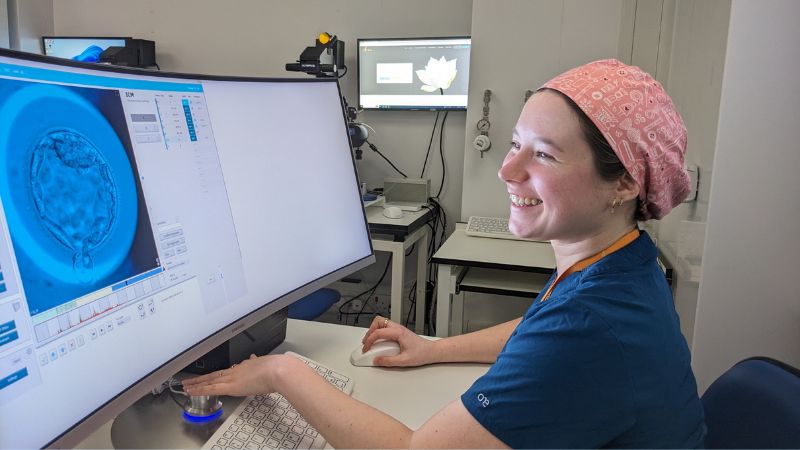
International Day of Women and Girls in Science is marked every 11th February as a global celebration of the accomplishments of women in science and to encourage young girls to consider a future career in STEM fields.

Francisca Mora, Senior Clinical Embryologist at Aria, along with clinical embryologist Summer Sorensen and embryologist Kim Hill, share their knowledge and unique insights into the fascinating field of embryology.

What led you to pursue a career in embryology?

“I’ve always known I’d work at something related to obstetrics. My parents say that I was always drawing pregnant women and babies when I was a child, maybe that was a tell?” Francisca reveals.

For Summer, the fascination with fertility started at High School when she attended a Science and Technology Forum and the keynote speaker explained all about the wonderful world of IVF. Kim undertook a Medical Physiology post-grad degree in South Africa that allowed her to be a part of the Reproductive Research Group, where her focus was on male fertility and nutrition.

What education / training did you go through to become an embryologist?

London IVF lab

Before working in IVF in the UK, all three of our embryologists first studied in their home countries.

Summer completed a Bachelor of Biomedical Science (majoring in Reproduction, Genetics and Development) before completing a Bachelor of Biomedical Science with Honours, both at the University of Otago in New Zealand. She then completed her Masters of Clinical Embryology at Monash University in Melbourne, Australia.

Her first job was a trainee position at Fertility Associates in Auckland, New Zealand where she learnt all the necessary skills of being an embryologist.

Kim completed a BSc in Human Life Sciences & Psychology at Stellenbosch University in South Africa, then completed a Master’s Degree in Clinical Embryology at the University of Dundee.

After completing her MSc, she worked as a lab technician before advancing to a trainee embryologist. “I had in-house training, in both private and NHS settings, up to biopsy practitioner, before applying for professional registration. In this time, I also gained accreditation by the European Society of Human Reproduction and Embryology (ESHRE) as a Clinical Embryologist.”

Francisca holds a BSc and MSc Biochemistry from leading Portuguese universities. “I’ve also conducted my master’s thesis on the topic of male infertility. However, I’d say that my training didn’t start until I set foot in an IVF clinic and since then it has been an ever-growing experience, we are continuously learning! Since I’ve moved to the UK, I’ve learnt a great deal through colleagues, workshops, talks and the HFEA. Furthermore, acquiring my professional registration, has also been a key moment in my training.”

How do you stay current with the latest research and advancements in embryology?

“Aria Fertility supports an environment dedicated to improving outcomes through innovations in technology,” Kim explains. “Staying current with scientific advancements and professional recommendations enables us to provide state-of-the-art patient care.

This can come through a variety of sources. “Reading the latest scientific journal articles, attending conferences, LinkedIn, workshops, these are all useful,” Summer adds.

“Moreover, one of the most practical ways is to keep an eye on the embryology hubs that exist online; in that sense, social media has been very helpful in diffusing the latest developments,” Francisca points out.

What is the process or protocol that has most surprised you in terms of development and research?

“I’d probably say that trophectoderm biopsy, used for genetic testing (PGT), has been the process that surprised me the most,” Francisca explains. “Not only because I had not seen it before until I moved to the UK but was well for the level of detail and technical skill that it entails. It’s also a protocol that has evolved quite a lot in the last years, especially the technique used at the genetics lab to detect the abnormalities.”

How have recent advancements in embryology, like genetic screening, affected your work?

genetic screening in IVF lab

Both Kim and Francisca feel that genetic screening has greatly expanded their skill set and how they can guide patients through their treatment. “I became an embryo biopsy practitioner about a year and a half ago so the whole process is still very exciting to me,” Kim explains. “It is a valuable skill set to have, and unique as not all clinics provide genetic testing to their patients.”

“On one hand, such processes have made my work more challenging, in a positive way, since it has raised the bar for my skills and knowledge,” Francisca agrees, “and on the other hand, it has made it easier to guide patients on their treatment, as genetic screening can provide crucial answers.”

Summer feels that the greater awareness of egg freezing has had a huge impact on the fertility sector. “While egg freezing isn’t necessarily a new technology, I have really enjoyed the rise in awareness of this technology in the public space, and how more and more women are thinking about and planning their reproductive futures.”

What are some of the most exciting future possibilities in the field of embryology?

All three embryologists agree that AI will be the big focus in IVF. “It is very interesting to see what avenues are being explored and how this may impact our day-to-day procedures and the positive influence on our patients’ goals,” Summer explains.

“However, there will always be a need for a human embryologist on the other end of the line to support patients through the emotional impact and big decisions involved in IVF,” adds Kim.

Another possibility is creating eggs and sperm from stem cells. “I feel the possibility of creating gametes from other cells of one’s body could be a reality at some point, and this could bring hope to oncology patients,” Francisca expands.

Beyond the lab, what role does communication play in your job?

“As a clinic, we feel communication with our patients is one of the most important aspects of their treatment, for them to understand the process, the risks and to ask any questions they may have,” Summer explains.

“Patient interaction is my favourite part of the job,” Kim agrees. “I love explaining what goes on so that patients don’t feel the lab is a ‘black box’ of unknowns, and the decisions can be made together.”

Communication between team members is also vital. “Considering we all work under a lot of pressure and in a confined space, it’s super important to communicate effectively with colleagues to ensure that everything goes as smooth as possible,” Francisca explains.

“This helps when liaising with patients who can tell there is really good communication amongst the lab and greater team,” Kim agrees.

Is there a ‘typical’ workday at Aria Fertility?

“I’d say that each day can be quite different, as there are no equal cases, however there is a main structure that is followed every day,” Francisca explains.

The mornings tend to be busy with fertilisation checks, thawing embryos for embryo transfers later in the day, egg collections, embryo grading and sperm preparation. The afternoons are typically filled with inseminations (either conventional IVF or ICSI -sperm injection into the egg), embryos transfers, preparing for the next day and diagnostic sperm analyses.

What is the hardest part of your job?

Our embryologists all agree on what is the hardest part of their job.

“It’s without a doubt having to give bad news to the patients or to see that their treatment wasn’t successful,” Francisca explains. “Each failed fertilisation, negative pregnancy test, each pregnancy loss really takes a toll on all of us at Aria Fertility.”

“It never gets easier to tell a patient that is hasn’t worked this time,” Summer agrees.

“We want every outcome to be a success, but unfortunately science is not that robust yet, and this is a huge drive to keep developing the research behind IVF so we can better the chances of success,” Kim resolves.

What is your favourite part of your job?

Aria embryologists

“My favourite lab procedures are egg collections and ICSI. But, overall, my favourite parts are the conversations with patients, and ultimately having a helping hand in our patients realising their dreams of becoming parents,” Summer believes.

“I love it when patients return with a healthy baby for cuddles, after seeing them as a tiny embryo in the lab,” Kim agrees. “This makes every tough day worth it, knowing that so much joy is coming from it. I love speaking with patients and helping to guide them through the difficult decisions they need to make. I love working with the team as we all share common goals, and that is to see each patient journey end in success.”

“I truly value the fact that we can guide patients through their treatment and to be able to explain to them the latest scientific developments that we implement, but I also quite appreciate the fact that each day in the lab is different, each patient is a new opportunity of success,” Francisca adds. “Furthermore, in order to be an Embryologist, one has to have a broad spectrum of knowledge, from Biology to Law, Mathematics to Pharmaceutical Sciences, etc. and personally I enjoy this side of my job.”

At Aria Laboratories, we are proud to be at the forefront of cutting-edge fertility research, constantly striving to push the boundaries of what is possible in the field of IVF. On Research Appreciation Day, a day dedicated to honouring the invaluable work of health researchers worldwide, we want to take this opportunity to celebrate the research being conducted at our laboratory.

Below are some research projects that we hope will shape the future of IVF with patient experience as a pivotal element:

Enhancing Non-Invasive Preimplantation Genetic Testing with Morphokinetic Data

One of our ongoing research focuses on utilising morphokinetic data to enhance the diagnostic precision of non-invasive preimplantation genetic testing (niPGT). niPGT involves the examination of markers on the culture media in which embryos grow, which is usually discarded.

This research aims to move towards a non-invasive genetic testing approach, eliminating the need for embryo biopsy. Encouragingly, this research has already resulted in live births, highlighting the safety and reliability of this non-invasive method. By embracing this innovative approach, we strive to minimise the invasiveness of genetic testing and optimise outcomes for our patients.

AI-Based Classification for Improved Sperm Selection

Understanding the maturity and integrity of sperm plays a crucial role in assisted reproductive technology (ART) procedures. To further our understanding in this area, we are conducting an analysis of single-sperm maturity using artificial intelligence (AI) imaging classification scores.

By harnessing the power of AI software, we aim to provide embryologists with a valuable tool that offers consistent second-hand opinions, aiding in the selection of the most viable sperm for ART procedures. This technology not only enhances the accuracy of sperm selection but also embraces the integration of new technologies in our IVF laboratory.

Semen Analysis with AI Robotics

Presented at the 39th Annual Meeting of the European Society of Human Reproduction and Embryology (ESHRE) in Copenhagen, this study explored how AI can improve andrology pathways while enhancing the overall patient experience.

By leveraging the power of AI robotics, we aim to streamline and optimise the semen analysis process, reducing turnaround time and enhancing accuracy. This research represents our commitment to embracing technological advancements to achieve the highest standards of patient care.


By collecting comprehensive data and insights, we aim to refine and improve our practices, ensuring the highest level of care and support for our patients throughout their fertility journey.

To find out more about the work of our embryologists, call +44 (0) 203 263 6025 or email us at admin@ariafertility.co.uk.

In celebration of International Nurses Day, Maddy, who is egg donation coordinator at Aria, explains what drew her to working in fertility and the satisfaction she gets from being a fertility nurse.

What’s your favourite part about being a fertility nurse?

“The great thing about being a fertility nurse is the diversity of the day-to-day job. You can be down in theatre for the morning doing egg collections or looking after your patients in recovery. In the afternoon, you may be upstairs doing blood tests or scans or doing admin and following up with your patients with phone calls and emails.”

“Our appointments with our patients can cover talking them through their fertility treatment journey and what they can expect, explaining what their scans showed, or teaching them how to take their IVF medication.”

What element of your job do you find most special?

“I am the egg donation coordinator at Aria, which is really, really special. Everything is kept anonymous and takes careful planning to ensure that the donors and recipients are kept separate when they come in for their appointments. But it’s a special moment for both parties, and often the recipients come in with a gift or card for their donors. It’s lovely to see their kind words, and it always reminds me why I am doing this job in the first place.

“We use an external donor organisation that recruits the donors, and then we match them with our patients who may have experienced failed cycle after failed cycle and are unable to use their own eggs.

“I oversee the whole process, so I work with the donor from start to finish, doing their consent forms, blood tests, etc. And then I organise the recipients.”

What makes working in a fertility clinic different to other sectors of nursing?

“The continuity of care and hands-on nature of the role is critical. You see patients throughout an intense journey and are there for their outcomes, whether it’s egg freezing or they are creating embryos. Once they become pregnant, we see them up until 12 weeks before they move to antenatal care with their local hospital or private obstetrician.”

What makes working at Aria Fertility special?

“The team at Aria have all been together since it opened – the doctors, nurses, and the admin team – and we’ve created something unique.

“We are also a small team, so you often look after patients at every stage of their journey. We have a lot of egg-freezing patients at Aria Fertility. The initial step is a consultation with their doctor; then they will have a nursing consultation which I do many of. This will be quite a lengthy appointment as we explain the process thoroughly. You see them for their scans and track their follicle development, and then you often see them on the day of their egg collection.

“Today, we said farewell to one of our egg-freezing patients, who has done a couple of rounds and banked enough eggs. And hopefully, we may see her again in the future!”

What made you specialise in fertility nursing?

“My background is in theatre recovery nursing. I moved here from Australia in 2016 and initially did agency nursing, working at hospitals around London. My recruiter contacted me with a month-long temporary position at a fertility clinic; it’s always lovely to have longer-term positions as an agency nurse, so I immediately said yes. And, from the moment I stepped in the door, it was love at first sight.”

What’s the next stage for you in fertility nursing?

“If any area of nursing needs spotlighting, its fertility nursing. People often think you need lots of experience or training, but you learn on the job, and there’s endless progression.

“I started with zero experience, and five years later, I’m now donation coordinator and furthering my knowledge of scanning. I currently do follicle-tracking scans, and next week I’m doing a scanning training course for two days, so in the future I’ll be able to do pregnancy and diagnostic scans.

“After your initial consultation with our doctors, you’ll have a fertility check, and a diagnostic scan is a cool 3D scan of the uterus to identify any potential issues such as cysts or fibroids. I’m very excited about this next stage!”

GET IN TOUCH.

This contact form is deactivated because you refused to accept Google reCaptcha service which is necessary to validate any messages sent by the form.

OPENING HOURS.

Mon – Fri: 9am – 5pm

CLINIC LOCATION.

8 Welbeck Way  London  W1G 9YL

CONTACT US.

+44 (0) 203 263 6025

admin@ariafertility.co.uk

Fertility Clinic London Location

Authorised by the Human Fertilisation Embryology Authority

LEGAL ARIA PATIENT PORTAL