
The holiday period is a time of indulgence, yet it can be particularly challenging for those focusing on fertility health or undergoing assisted reproductive technologies such as IVF. While festive foods often lean toward decadent treats, sugary desserts, and celebratory drinks, making mindful choices lets you enjoy seasonal fare without compromising your commitment to fertility health.

Here is our practical guide to maintaining a fertility-supportive diet over the festive period, emphasising the nutrients that promote reproductive health and strategies to stay balanced while celebrating.

Key nutrients for reproductive health

A nutrient-rich, fertility-friendly diet approach can strengthen egg and sperm health, balance hormones and reduce oxidative stress – especially valuable for anyone preparing for IVF or other fertility treatments. This can include:

Healthy fats and omega-3s

Sources: Oily fish (like salmon and sardines), chia seeds, flaxseeds and walnuts

Benefits: Omega-3 fatty acids play a vital role in hormone regulation, egg maturation, and sperm motility. Aim to limit saturated and trans fats found in heavily processed or fried holiday foods.

Antioxidant-rich foods

Sources: Berries, nuts, spinach, kale and dark chocolate

Benefits: Nutrients such as vitamins C and E, zinc, selenium, and CoQ10 help protect reproductive cells from oxidative damage. Include colourful fruit and vegetables and antioxidant-packed snacks in festive meals to support healthy gamete function.

Protein from quality sources

Sources: Fish, lean poultry, eggs, beans, lentils and tofu

Benefits: Protein supports hormonal pathways and tissue repair. Opting for lean and plant-based proteins over processed meats can enhance fertility outcomes.

Folate and B vitamins

Sources: Leafy greens, legumes and fortified grains

Benefits: Folate is crucial for DNA formation and embryo development. Regular consumption helps improve egg and sperm quality and reduces the risk of chromosomal issues.

Low glycaemic index (GI) carbohydrates

Sources: Whole grains, vegetables and pulses

Benefits: Steady blood sugar levels help maintain hormonal stability, particularly for individuals managing PCOS or insulin resistance. Choosing low-GI foods prevents energy crashes and promotes metabolic balance.

Smart strategies for balanced holiday eating

You don’t have to forgo festive enjoyment to support fertility – just plan mindfully.

  • Practice portion control: enjoy your favourite food in smaller servings to balance indulgence and nutrition.
  • Look for alcohol-free drinks: alcohol may impair egg health and sperm integrity, so celebrate with mocktails made from pomegranate or cranberry juice, sparkling water, and herbs instead.
  • Upgrade traditional recipes: instead of roasting potatoes in goose fat or lard, use healthy monounsaturated fats like olive oil or avocado oil.
  • The secret is in the timing: eating a large meal at lunchtime means we have more time to digest it and utilise the calories.
  • Walk it off: going for a good walk after lunch will improve your blood sugar levels and lift your mood.

The important thing is not to panic if you feel you’ve over-indulged over the holiday season. One or two days of enjoying festive treats won’t derail your fertility journey, so permit yourself to enjoy this Christmas and New Year without guilt.
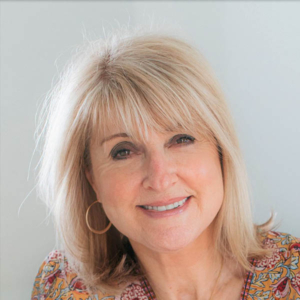
There has been an explosion in the consumption of ultra-processed food or UPFs in recent years and it’s estimated that over 50% of the food bought in the UK now consists of UPF. Compare this with 14.2% and 13.4% for our French and Italian neighbours respectively.

In a large-scale review involving almost 10 million people around the world, UPF has been linked to 32 harmful effects to our health, including high risk of heart disease, cancer, type 2 diabetes and early mortality. While this particular review did not examine the impact of high consumption of ultra-processed foods on fertility, there is an increasing body of research into this field.

What are ultra-processed foods?

“Our consumption is so high because so much of our diet come under the banner of being a processed food in the first place,” explains dietitian Alex Ballard. “Often, we think that this just means crisps, sweets or ready meals and, while it is true that many ultra-processed foods are high in unhealthy fats, sugar, and salt, not all are ‘unhealthy’.

“So, things like fortified breakfast cereal, such as Weetabix or Shredded Wheat, wholegrain bread, low fat yogurts, hummus can be classified as processed foods yet still be part of a healthy diet.”

Indeed, there is no single, universally agreed definition for ultra-processed foods. The term itself originates from the NOVA classification system, which was created by scientists at the University of São Paulo in Brazil.

NOVA divides foods into four main categories according to how much industrial processing they undergo.

  • Unprocessed or minimally processed foods: These are natural foods like fruit, vegetables, milk, fish, pulses, eggs, nuts, and seeds that have had minimal or no alteration and no added ingredients.
  • Processed culinary ingredients: These include substances used in cooking rather than eaten alone, such as oil, sugar, and salt.
  • Processed foods: Made by blending ingredients from the first two groups, these are foods that could feasibly be prepared at home and examples include jams, pickles, canned fruits or vegetables, cheeses, and freshly baked breads.
  • Ultra-processed foods: These contain multiple industrial ingredients and additives rarely used domestically. They often feature preservatives, emulsifiers, sweeteners, and artificial colours or flavours, to give them a long shelf life.

What impact does ultra-processed food have on fertility?

Emerging evidence indicates that consuming large amounts of ultra-processed foods may adversely affect fertility in both women and men although the lack of a universal definition of what a UPF is contributes to the confusion of what we should and shouldn’t be eating.

“Although we have studies that show high consumption of these foods can produce poorer health outcomes and affect things like fertility, one research study will be testing certain foods, and another research study will test completely different foods.

“When it comes to fertility, researchers have examined the impact on both men and women, and several mechanisms are believed to play a role.”

Increased inflammation and oxidative stress

Ultra-processed foods are typically high in sugars, unhealthy fats, and artificial ingredients, all of which can trigger inflammation and oxidative damage in the body. Such effects may interfere with reproductive function by disturbing hormone regulation. In men, oxidative stress can attack sperm membranes and fragment DNA, which is linked to lower sperm motility and higher miscarriage risk.

Hormonal disturbances

Diets rich in highly processed products can disrupt hormone balance by impacting the endocrine system. For instance, spikes in insulin levels from processed sugars may impair reproductive hormones, potentially disrupting ovulation in women and reducing sperm production in men.

Depriving the body of essential nutrients

These foods often provide minimal vitamins, minerals, and antioxidants. The resulting nutrient deficiencies can affect fertility by lowering the quality of eggs and sperm.

Weight gain and metabolic problem

Frequent consumption of ultra-processed items is linked to obesity and other metabolic issues. Conditions like obesity and metabolic dysfunction are known contributors to infertility, such as polycystic ovary syndrome (PCOS) in women or diminished sperm quality in men.

In a 2025 study, healthy young men were placed on two tightly controlled diets, one high in UPFs and one composed of unprocessed foods, while ensuring that calorie intake was the same. It found that men gained fat mass on the UPF diet despite eating the same calories. As LDL cholesterol levels rose, there was a notable decrease in follicle‑stimulating hormone (FSH), a key driver of sperm production.

A fertility dietitian’s advice on UPFs

An NHS dietitian for ten years, Alex’s keen interest in female health and understanding of how diet can improve conditions such as PCOS and endometriosis led her to specialise in fertility nutrition.

“I believe we should approach UPFs in a nuanced way rather than demonising everything that falls under the banner of being processed. We should always ask ourselves, does this seem healthy? Is it nutrient dense? Does it have lots of vitamins and minerals? Is it high in fibre?

“If you’re answering yes, then then they’re going to be good things to include. Even the foods that do not have a lot of nutritional value can still have a place. Typicallly, they taste good and absolutely we can have food just for enjoyment’s sake. However, if we are having them in large quantities on a regular basis over a long period of time, then they are likely to have a detrimental impact on our health.

“I think it’s also important to highlight that sometimes we hear the word additives, and we think that’s a negative, whereas it can mean nutrient fortification, including added calcium vitamin D, or iodine, and that’s a positive. Or it could be quite a natural ingredient that is making the food safer to consume, increasing the shelf life, or making it more affordable so it’s accessible for more people.”

Alex’s tips on navigating UPFs:

  • Try to be organised with food planning and prep so you don’t reach for convenience foods which are likely to be ultra processed.
  • Take a packed lunch into work or take snacks out with you when you’re on the go.
  • Try to cook meals from scratch if you can as you’re likely to use ingredients in their naturally occurring form.
  • You don’t have to abstain completely but look at your consumption and try to reduce it down and switch over to natural foods as much as possible.
  • Look at the ingredients list on foods you’re considering consuming. As a very general rule, if there is only a small handful of ingredients, most of which you recognise or have a place in the domestic kitchen, then the food is likely to have gone through a minimal amount of processing. Whereas a long list of ingredients that you don’t recognise is a red flag.

For more advice on fertility nutrition, please visit our support hub or arrange a consultation with Alex Ballard.

This month, we’re speaking to fertility dietitian Alex Ballard (@alextalksdiet), who specialises in preconception nutrition and offers support to Aria Fertility patients.

What are your qualifications and experience as a dietitian?

I qualified as a dietitian in 2015 following a four-year degree involving various clinical placements. These included specialties such as paediatrics, intensive care, oncology and surgery.

Since then, I have worked in the NHS for ten years, seeing patients from all walks of life needing nutritional support. A lot of my current NHS work focuses on diabetes, cardiovascular disease, menopause and elderly care within GP surgeries.

Five years ago, I started my private practice as a specialist fertility dietitian following extensive research and additional training. I have advised hundreds of clients on diet and fertility, fertility treatment and foetal development.

I am a member of the British Dietetic Association and am HCPC registered.

What is the most rewarding part of your role as a fertility dietitian?

That is easy!

Firstly, clients’ feedback that they felt listened to, not judged, and were motivated to make changes following our session.

Secondly, getting updates from past clients to say they are pregnant. I love hearing back from clients to know how their journey is going.

What do you consider to be a healthy diet?

The reason it is so valuable to see a dietitian is that a ‘healthy diet’ can look incredibly different from person to person.

It is fantastic that diet is such a powerful tool for helping with fertility and managing health conditions (such as PCOS, diabetes, coeliac disease and endometriosis), but it’s essential that advice is personalised to an individual.

In general, balance is key! All foods can be part of a healthy, balanced diet. However, focusing on adding a variety of different colours and maximising naturally occurring foods is a helpful foundation for most people.

What inspired you to get into fertility nutrition?

I have always had a keen interest in female health and understanding how diet can improve symptoms for conditions such as PCOS, hypothalamic amenorrhea and endometriosis. This likely started following some of my own hormonal issues.

I started reading the research available on how diet can impact fertility and was astonished that nutrition wasn’t being talked about more in this space. I really wanted to use my knowledge to help individuals on their fertility journey and give them back some control.

What can clients expect when they work with you?

A friendly face and a non-judgemental conversation. My private consultations are relaxed and involve working together to formulate realistic nutritional goals.

My consultations are online, and an initial appointment ranges from 60 to 75 minutes. I can see individuals or couples.

We will start by getting to know each other and you explaining your goals. Then we will gather information about your current dietary intake and lifestyle. Following this, we will discuss relevant information about how nutrition can help you and together agree on what you want to work on first.

Review appointments are also available so that we can chat about how things have gone, discuss any challenges and add in some more changes when the time is right.

What are the most common challenges that your fertility clients face?

Often, my fertility clients may have multiple nutritional needs alongside trying to conceive and, for example, have a health condition that is impacted by diet (such as PCOS, high blood pressure, IBS), an allergy or intolerance to particular foods or food preferences (such as following a vegan diet).

Typically, in these cases, there can be so much information – often conflicting – that they are left confused and unsure of what to do.

A dietitian can help unpick this and make sure the agreed goals are appropriate for all of your needs.

Do you have one piece of advice for couples or individuals trying to conceive?

There can be too much of a good thing. Always have a sensible hat on when you hear advice about food.

It is fantastic that particular nutrients can be so helpful for fertility. However, it is always good to have a wide variety of ingredients instead of overloading on the same specific foods.

Yes, red/pink fruits and vegetables are helpful for lycopene. No, you do not have to drink glasses of beetroot juice each day.

Yes, a preconception supplement can be helpful for some people. No, you do not need to take three different ones or spend a fortune.

Yes, eating more nuts and seeds can be fantastic for fertility. No, restricting yourself to just seed cycling is not necessary.

Contact fertility dietitian Alex Ballard for more advice. We work closely with a wide range of practitioners to provide support throughout your fertility journey – click here to visit our Support Hub.

How are your New Year’s resolutions going? January is a time for reflection, resolve and renewal, and for those considering fertility treatment, the commitments you make now can do more than improve your daily life – they can also boost your chances of IVF success. Here’s how focusing on exercise, stress management, nutrition, and eliminating harmful habits like smoking and drinking can help you get ready for your journey towards parenthood this year.

1. Embrace regular exercise

Research into the relationship between IVF and exercise has shown mixed results, with a 2006 study indicating a negative impact on assisted reproductive outcomes, but more recent studies have found regular exercise increased implantation rates, improved the chance of getting pregnant and reduced miscarriage risk.

Moderate, regular activity is recommended for your physical and mental wellbeing, and it could also have a positive impact on your fertility. Moderate exercise can help regulate your hormones, improve circulation to the reproductive organs, and maintain a healthy weight, which is crucial for IVF success.

Excess weight can negatively impact egg quality and make implantation more challenging while being underweight can disrupt your menstrual cycle. A 2023 review concluded that overweight and obese women with polycystic ovary syndrome should be encouraged to engage in aerobic exercise or resistance training to optimise their chances of conceiving.

2. Manage stress for a healthier mind and body

The IVF process can be emotionally and physically taxing, and stress can exacerbate these challenges. High-stress levels may impact hormonal balance and reduce your chances of successful implantation. Making stress management a resolution can help you stay calm and focused during your fertility journey.

Consider incorporating relaxation techniques like mindfulness meditation, deep breathing exercises, or acupuncture. If you’re feeling overwhelmed, don’t hesitate to seek support from a therapist or a fertility counsellor.

3. Prioritise nutrition

A balanced diet rich in fertility-boosting nutrients can make a big difference in preparing your body for IVF. Start by including whole foods such as fruits, vegetables, whole grains, lean proteins, and healthy fats. Key nutrients like folic acid, vitamin D, omega-3 fatty acids, and antioxidants are essential for egg and sperm health.

Limit your intake of processed foods, refined sugars, and trans fats, as they can cause inflammation and disrupt hormone balance. Consider consulting a fertility nutritionist to tailor your diet to your needs. By making mindful eating a resolution, you’ll nourish your body and optimise your chances of success.

4. Make essential lifestyle changes

Smoking and drinking can significantly reduce fertility for both men and women. Smoking damages eggs, sperm, and the uterine lining, while excessive alcohol consumption can disrupt hormone levels and impair reproductive function.

If you smoke, make quitting one of your top resolutions. Seek support from smoking cessation programs, therapy, or nicotine replacement options. When it comes to alcohol, aim to limit or eliminate it altogether. Consider replacing alcoholic drinks with mocktails or sparkling water during social occasions.

5: Learn about your fertility

Understanding your fertility is an empowering step. Whether you’ve faced challenges conceiving or simply want to explore your options, our assessment will provide insight into your fertility health through a range of tests that evaluate your lifestyle and other health issues. A fertility check is about getting information to support your decisions.

Call +44 (0) 203 263 6025 or email us at admin@ariafertility.co.uk to arrange your fertility assessment.

It’s National Vegetarian Week, and the latest figures show there are just over 3 million vegetarians and vegans, with 4.5% of the UK population having a vegetarian or vegan diet.

Traditionally, meat was the star of a meal, but more and more of us are cutting back or cutting it out together, whether you’re a ‘classic’ vegetarian, lacto or ovo vegetarian, pescetarian or flexitarian. The health benefits of a vegetarian diet can be myriad, from boosting heart health, lowering blood pressure and cholesterol, preventing diabetes and managing your weight to keeping your brain sharp and reducing the risk of cancer.

In our latest blog, we focus specifically on whether a vegetarian diet is good for fertility and explore how other popular diets, ranging from keto to vegan, affect fertility and IVF outcomes.

Does vegetarianism impact your fertility?

The first question should be, does diet affect your fertility? The reasons that couples are unable to conceive range from a woman’s ovaries not producing healthy eggs or blocked fallopian tubes that prevent the egg from moving to the womb to the egg’s inability to attach to the lining of the womb successfully. Male infertility can be the result of poor sperm quality, including motility, morphology and sperm count.

Even after tests, the cause of infertility may not always be clear, as about 15% of infertility cases remain unexplained.

No individual food or supplement can fix these potential issues, but there have been multiple studies into the positive and measurable influence of diet and other related lifestyle choices on fertility.

If done correctly, a vegetarian diet is at least as healthy as one that involves meat. It is important to clarify that any diet—whether plant-based or meat-focused—must be well-planned and varied in terms of nutrients and avoid ultra-process food (UPF). The popularity of plant-based meat alternatives has seen staggering growth in recent years.

In fact, it might be even better, as a 2015 study into IVF couples found that men’s meat consumption could affect the outcome of fertility treatments. Although poultry consumption had a positive impact, processed meats such as bacon and sausage, with men who ate the most processed meats, with an average of 4.3 servings a week, had just a 54% chance of achieving pregnancy with their partner.

What about other popular diets?

A recent study published in Nutrients journal examined the impact popular diets have on fertility. It analysed the Mediterranean diet, the DASH diet, the keto diet, and plant-based diets such as vegetarianism and veganism.

  • Mediterranean diet: Rich in fruit, vegetables, nuts, whole grains olive oil and other heart-healthy fats, this diet is routinely described as the gold standard for health and there is growing evidence it could also be beneficial for fertility.
  • Dash diet: This diet was devised to lower blood pressure. It heavily features fruit, vegetables, and nuts with low meat and salt consumption. It’s been found to be beneficial for PCOS patients.
  • Vegetarianism and veganism: Excluding meat and potentially all animal products, these diets can have many health benefits but could cause nutritional deficiencies if poorly planned.
  • Ketogenic diet: high fat and low-carb diets have proven very successful in diabetes management or reversing obesity and have also shown significant benefits for women suffering from PCOS.
  • Western diet: high in ultra-processed foods and chockfull of sugar and salt, this diet is linked with rising BMIs and associated health risks. Studies have also shown a negative impact on sperm quality and embryo development.

If you’re looking for more advice on nutrition and fertility, please visit our Support Hub, where we provide links to experienced and empathetic dieticians who treat couples and individuals undergoing fertility treatment. To arrange a consultation with one of our fertility experts, call +44 (0) 203 263 6025 or email admin@ariafertility.co.uk.

First launched a decade ago, the Veganuary campaign had convinced half a million people to adopt plant-based eating by January 2021, almost double the number that had pledged to go vegan for January in 2019.

According to the Sainsbury’s Future of Food report, vegetarians and vegans will make up a quarter of the population by 2025. Individuals adopt a vegan diet for various reasons, including concerns about the environment, animal welfare, and personal health. While reducing animal product intake has proven health benefits, complete elimination may pose risks of nutrient deficiencies, potentially affecting fertility.

What are the pros of a vegan diet for fertility?

  • Eating plant-based foods means an increased consumption of fruits, vegetables, whole grains, nuts, seeds, legumes, and beans that can positively impact fertility, providing essential nutrients such as antioxidants, fibre, and B vitamins.
  • Increased vegetable protein intake by opting for plant-based proteins like beans, legumes, tofu, tempeh, nuts, seeds, and whole grains, instead of animal protein. This may reduce ovulatory infertility
  • Better gut health: A well-planned vegan diet rich in fibre supports healthy digestion and contributes to a balanced microbiome. This, in turn, may regulate hormones associated with fertility-related conditions.

What are the cons of a vegan diet for fertility?

  • Consumption of vegan ‘junk food’ – although these products may be marketed as healthy alternatives, many vegan options are highly processed, containing excess salt, preservatives, and fewer vitamins and fibre. Quality, rather than mere balance, is crucial for fertility.
  • A poorly planned vegan diet can result in nutrient deficiencies, and this is potentially the most significant impact on fertility. Common nutrient deficiencies in a vegan diet include vitamin B12 and iron. Iron from plant sources is poorly absorbable, and a deficiency can affect both male and female fertility. Vitamin B12, found exclusively in animal products, plays a crucial role in DNA production. Deficiencies in these nutrients can negatively impact fertility.

Current research doesn’t conclusively support the idea that eliminating animal products positively influences fertility. Some studies even suggest potential benefits of certain animal products, like dairy, in female fertility. Therefore, adopting a well-balanced diet containing both plant and animal products may be a prudent approach.

Other steps to take include supplementation of essential nutrients, embracing fortified products and enhancing iron absorption by pairing iron-rich vegetables with vitamin C-rich foods or supplements which can aid absorption.

Please visit our Support Hub for information on Fertility Nutritionists that can give you advice on a vegan-friendly fertility diet plan. If you have more questions about preparing for your fertility treatment, call +44 (0) 203 263 6025 or email us admin@ariafertility.co.uk on to book a consultation.

In vitro fertilisation is a challenging time as it’s both emotionally and physically demanding, and one way to prepare for IVF is to focus on the potential benefits of improving egg quality or ovarian function through lifestyle changes, such as nutrition.

Leading fertility nutritionist Melanie Brown believes nutrition can help improve fertility.

“Women are constantly being told nothing can improve the quality of their eggs. And while we are all born with the eggs we shall ever have in our lifetimes, the environment in which those eggs mature is fundamental to their quality, so this assertion is not strictly true.

“There are many reasons why someone’s egg quality or ovarian function might not be optimal and can be positively influenced.

“We know that smoking damages egg quality, so conversely, I believe that nutrition and other lifestyle changes could also help to improve egg quality. If you can do something that adversely affects egg health, it shows they are not immune to their environment.”

IVF vs a normal menstrual cycle

During a normal menstrual cycle, many follicles containing immature egg cells or oocytes will develop and grow when your body releases a follicle-stimulating hormone called FSH.

Typically, one standout follicle grows faster than all the others, known as the dominant follicle. It sends a signal to decrease the amount of FSH being produced, which causes the other follicles to cease developing, leaving only the one dominant follicle to continue growing and the egg inside to mature.

In an IVF cycle, however, the goal is to grow multiple follicles simultaneously, a process that does not occur in a natural cycle.

“I often say to my patients, if you look at the progress of an IVF cycle as a flow chart, you can see how important it is to ensure you are as well prepared as possible,” Melanie explains. “You might have 18 follicles, which release 14 eggs, 10 of which are mature eggs, from which eight go on to be fertilised, six then go through to day three, and maybe two become day 5 blastocysts.”

Preparing for IVF with nutrition

“I can also advise patients on all the fertility-improving strategies out there on the internet – milk or no milk, soya or no soya, is DHEA right for you, how do I use melatonin?

Fertility Nutritionist“There’s an ever-running argument about milk consumption during IVF. Many nutritionists think milk is the devil’s work as it’s very inflammatory and can be a factor in everything from acne to polycystic ovaries. And I certainly think that’s true for those that suffer from certain conditions.

“But, if you don’t suffer from those conditions, I think there’s quite an argument for consuming milk in an IVF cycle. Milk is meant to grow baby animals and full-fat milk is full of growth factors and growth-promoting nutrients.

“Iron takes oxygen to our cells, so if you are even slightly anaemic, then it means you’re not getting enough oxygen to your ovaries. Yet, many people might be entering an IVF cycle with mild anaemia – if you have undiagnosed endometriosis, very heavy periods or have a vegetarian or vegan diet.

“A protein-rich diet is essential to support multiple follicle growth during an IVF cycle. Protein makes up the building blocks for every cell in our bodies, including our sperm and eggs. So ensuring you have the right amount of protein is essential.

“I see maximising ovarian function and potentially improving egg quality before IVF, as a ‘project’ – usually three months will do it.”

For more advice on anything fertility and nutrition-related, see Mel’s website: melaniebrownnutrition.com. Call +44 (0) 203 263 6025 or email us at admin@ariafertility.co.uk for advice on preparing for IVF.

For more information on the individual practitioners and organisations offering support, advice, and information to those undergoing fertility treatment, please visit our Support Hub.

Infertility affects an estimated 15% of couples globally and in approximately half of those couples experiencing difficulties conceiving, part of the problem will lie with the male. However, the burden of fertility treatment still resides mainly with women. The perception that assisted reproductive technology, particularly Intracytoplasmic sperm injection (ICSI), has ‘solved’ male fertility means that male infertility research has often been neglected.

However, as leading fertility nutritionist Melanie Brown believes, a shift in thinking about male infertility could greatly improve treatment outcomes or even increase the chance of natural conception.

“Often men feel, or are even told, that if they have poor quality sperm, there is nothing they can do about it. But that’s just not the case.”

Melanie has an MSc in Nutritional Medicine and over twenty years of working in fertility and preconception nutrition, and she is especially interested in supporting male infertility.

“The focus is almost exclusively on women and their fertility, but intervention should probably come with men when they are at school. Young men should be given more nutritional and lifestyle education about protecting their fertility in their late teens and 20s.

“Obesity, for example, isn’t always an open and shut case as it doesn’t account for diet. You may have an obese man eating a very rich, indulgent diet with too much red wine, pasta and potatoes, but it is also a varied diet, and he’s still consuming his vegetables and olive oil. On the other hand, you can have an obese man just eating lots of beige, ultra-processed fast food, which is very bad for sperm quality.”

The pursuit of perfection and fertility

In an ironic twist, known as the Mossman-Pacey paradox after the two UK scientists that discovered it, the human male is seemingly the only species that make themselves less fertile while trying to look more attractive to the opposite sex.

“Lifestyle changes in recent years have been disastrous for sperm quality,” Melanie explains. “For example, lots of young men are now using hair growth medication to halt male pattern baldness, and these products are now readily available and heavily promoted. But they can be very damaging for sperm.

“Steroid use is also becoming a significant problem for many young men, which could actually finish off their testicles for good! Even protein powders contribute as they can contain a minimal amount of steroids.”

And this focus on women over their male counterparts extends throughout the fertility treatment journey. “My thesis was on the impact male obesity has on IVF outcomes as there is so much research into female obesity and women being told they must be a specific BMI for IVF, but male BMI is not considered. Furthermore, most men don’t even have their testicles examined before IVF to check if they have a varicocele or if they look slightly smaller than normal, whereas women are prodded and poked endlessly with examinations.

“Often, this is because ICSI allows men to circumvent specific issues. If it’s left further down the fertility treatment pathway, it’s too late, but the fact is that a good diet and lifestyle changes can help sperm.”

Lifestyle factors and male infertility

Pollution may be a big factor; a Danish study published last year looking at pollutants, including BPA, in semen and their relationship with deteriorating sperm quality found that the men aged between 20-30 in their study had up to 100 times the safe limit of various pollutants and this correlated with their sperm quality.

“There are some steps you can take to mitigate exposure to these harmful chemicals, such as using a BPA-free drinking bottle, never heating your food in plastic, eating some organic foods – look at The Dirty Dozen and the Clean Fifteen lists on the internet – and avoiding parabens in toiletries.

“Covid has also played a role. There has been a drop in activity levels since the pandemic, but exercise is critical for testosterone metabolism. Although it has to be the right exercise: cycling is fine but respect your testicles!

“Nutrition is the big one, though. I find a lot of my research from animal studies, as vets and farmers know how valuable sperm is – you wouldn’t believe how much money a vial of good bull sperm costs now! Breeding animals have the best nutrition to ensure high-quality sperm, but this research hasn’t been extrapolated to the human male.”

Small steps to make significant changes

Melanie explains how she typically works with male clients. “I see very few men who come off their own bat – usually, they are part of a couple or referred by urologists I work closely with.

“I explain that it’s a 12-week project – as that’s how long it takes sperm to regenerate – and set them strategies and goals, and then they are typically highly motivated.

“It’s often about making tweaks – small or large – to their regular diet and routine. So, breakfast may remain the same, but I advise them to add some berries. If they don’t want to take a packed lunch to work, I might say go to Pret rather than Subway, choose a sandwich with egg, avocado or rocket, and opt for nuts rather than crisps. The basis of a good sperm diet is The Mediterranean Diet, full of fresh colourful un-processed foods. I also recommend some carefully selected supplements. However, too many supplements at too high amounts can also be very bad for sperm. Diet is key.

Male infertility can often be an isolating experience, so this is an opportunity for teamwork. “If you present as an infertility couple, the emphasis shouldn’t be on who’s at fault. Making these important changes to improve sperm and egg quality before fertility treatment can be a great bonding experience before you move to the next stage.

Fertility Nutritionist“Male infertility is often the canary in the coal mine for men’s health,” Mel believes. “If there are infertility problems, then a bigger issue should probably be addressed.”

For more advice on anything fertility and nutrition-related, contact Mel directly to make an appointment or to find out more. Call +44 (0) 203 263 6025 or email us on admin@ariafertility.co.uk for advice on male infertility treatments.

For more information on the individual practitioners and organisations offering support, advice, and information to those undergoing fertility treatment, please visit our Support Hub.

GET IN TOUCH.

This contact form is deactivated because you refused to accept Google reCaptcha service which is necessary to validate any messages sent by the form.

OPENING HOURS.

Mon – Fri: 9am – 5pm

CLINIC LOCATION.

8 Welbeck Way  London  W1G 9YL

CONTACT US.

+44 (0) 203 263 6025

admin@ariafertility.co.uk

Fertility Clinic London Location

Authorised by the Human Fertilisation Embryology Authority

LEGAL ARIA PATIENT PORTAL