
PCOS and fertility: what you need to know about getting pregnant with Polycystic Ovary Syndrome
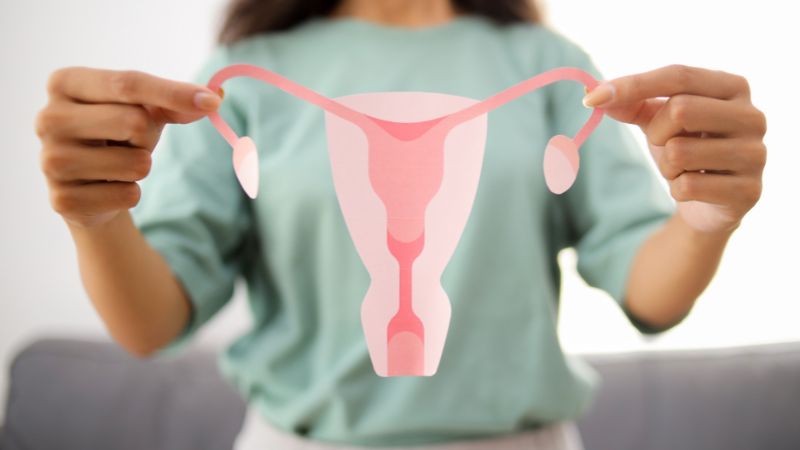
We looked at the role endometriosis plays in fertility last month, and now we’re focusing on Polycystic ovary syndrome (PCOS), one of the most common hormonal conditions affecting women of reproductive age in the UK, with around one in ten women thought to be living with it. For many, a diagnosis brings relief after years of unexplained symptoms.
For those hoping to start a family, it can also raise a great many questions. The good news is that PCOS does not mean infertility, and with the right support and treatment, pregnancy is absolutely achievable for the majority of women with this condition.
What is PCOS?
PCOS is an endocrine disorder, meaning it affects the body’s hormone production. Women with PCOS typically have higher-than-normal levels of androgens (often called male hormones) and a hormone called luteinising hormone (LH), which plays a key role in the menstrual cycle.
The ovaries may also contain multiple small follicles, visible on ultrasound, that have started to develop but have not fully matured or released an egg.
A diagnosis is typically confirmed when a woman meets two of the following three criteria: irregular or absent periods, elevated androgen levels (which can cause symptoms such as acne or unwanted hair growth), or polycystic-appearing ovaries on ultrasound.
Blood tests to check hormone and insulin levels are also an important part of the diagnostic process.
How PCOS affects ovulation and fertility
The primary way in which PCOS affects fertility is by disrupting ovulation. Because LH levels are already elevated in women with PCOS, the usual hormonal signal to release a mature egg is impaired. As a result, many women with PCOS ovulate infrequently or not at all, which makes it considerably harder to conceive naturally.
Insulin resistance, which is common in PCOS, adds another layer of complexity. When the body does not respond efficiently to insulin, glucose-triggered spikes in insulin can further increase testosterone and LH production, compounding the disruption to ovulation. This is why blood sugar management is such a central part of treating PCOS.
Anti-Müllerian hormone has emerged as a unique biomarker reflecting both ovarian reserve and possibly playing a significant role as a neuroactive hormone in the development of PCOS. Women with PCOS typically have markedly elevated AMH levels, reflecting a high antral follicle count, though this abundance of follicles does not translate into higher quality ovulation.
The role of lifestyle in managing PCOS
Before moving to medical treatment, lifestyle changes can make a meaningful difference to both PCOS symptoms and fertility. Achieving or maintaining a healthy weight through balanced nutrition and regular physical activity can improve insulin sensitivity, which, in turn, can support more regular ovulation.
Dietary choices matter too. A low glycaemic, lower carbohydrate approach to eating helps to keep blood sugar levels stable, reducing the insulin spikes that can worsen hormonal imbalance. Vitamin D deficiency is also particularly common in women with PCOS and can affect fertility, so it is worth having levels checked and supplementing if needed.
Women with PCOS are sometimes advised to take supplements such as inositol, which has been shown in research to support ovarian function and hormone balance. Nutritional advice should always be tailored to the individual, and a specialist fertility dietitian can provide personalised guidance.
When to seek treatment
If you have been trying to conceive for twelve months without success, or for six months if you are over 35, it is advisable to seek specialist advice. For women who are already aware of a PCOS diagnosis, it is sensible to seek a consultation earlier, as irregular ovulation means that the usual guidance around timing does not always apply in the same way.
At Aria Fertility, our consultant gynaecologists have specialist expertise in PCOS and other gynaecological conditions. They will carry out a full assessment, including a physical examination, ovarian ultrasound, and hormone blood tests. This allows a clear picture of your individual situation to be established before any treatment decisions are made.
Treatment options at Aria
For many women with PCOS, the first line of treatment is ovulation induction. Fertility medication is used to gently stimulate the ovaries to develop and release a mature egg.
Once ovulation is confirmed, conception can be attempted naturally or timed alongside intrauterine insemination (IUI), where prepared sperm is placed directly into the uterus to maximise the chances of fertilisation.
Where ovulation induction is not successful, or where other fertility factors are also present, in vitro fertilisation (IVF) is an excellent option for women with PCOS. IVF success rates for PCOS-related infertility are generally very good, as the ovaries typically respond well to stimulation.
Women with PCOS do have a slightly higher risk of ovarian hyperstimulation syndrome (OHSS), a condition in which the ovaries over-respond to fertility medication, but this is carefully managed by the experienced team at Aria, who are highly skilled in minimising this risk.
A PCOS diagnosis can feel daunting, particularly when you are hoping to grow your family. But with the right clinical support, most women with PCOS can conceive. If you would like to discuss your situation with a specialist, the team at Aria Fertility is here to help.
Contact us to arrange a consultation.